
 by
by *Before the Internet
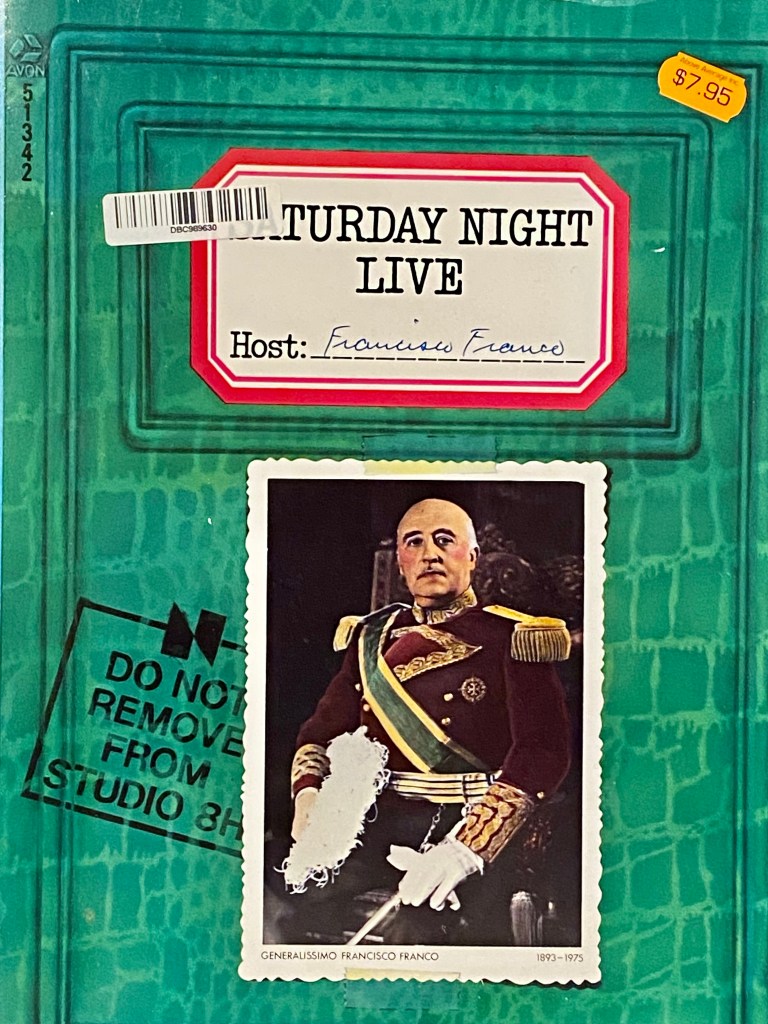
At the age of 11, I watched the premiere of Saturday Night Live. I would go on to follow the series for the next two decades and saw it go through phases of innovation, imitation, leadership, downfall and the futile chase to recover its founding magic. It has become exactly what it once mocked.
****
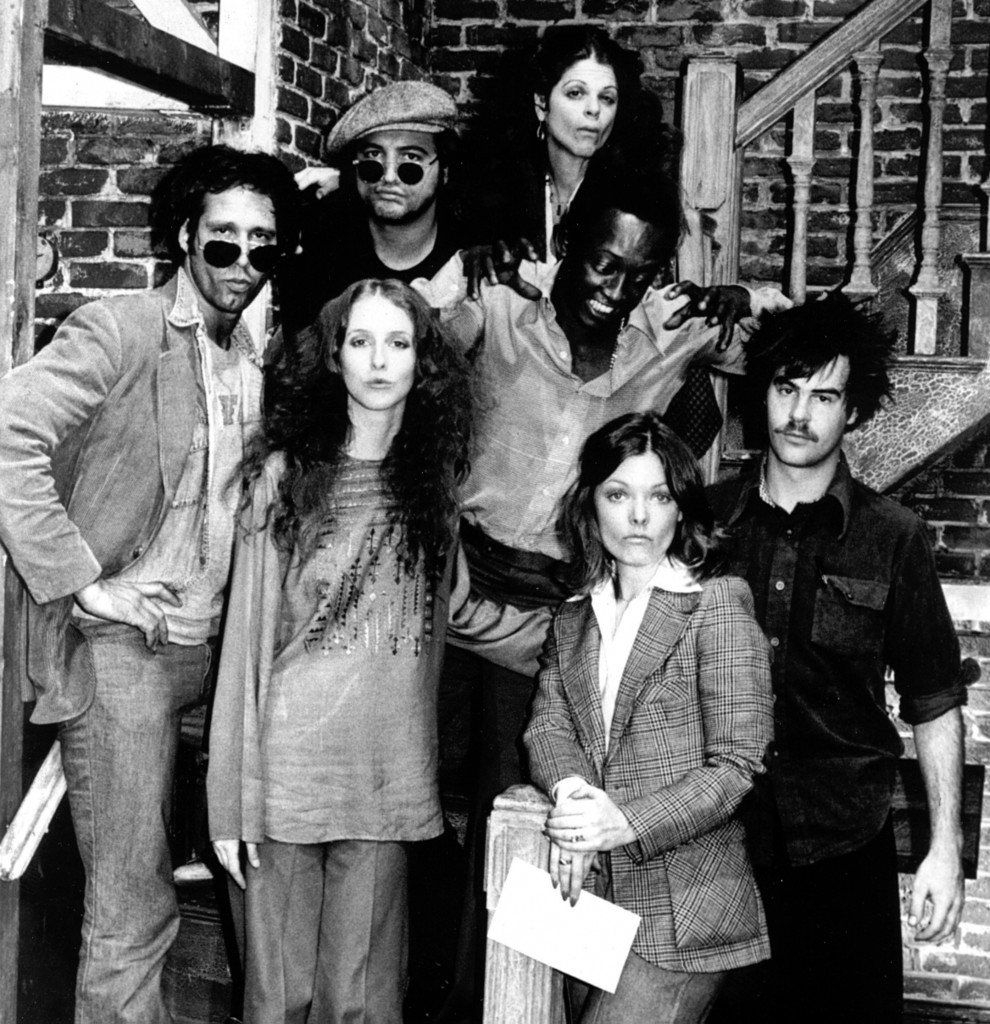
‘NBC’s Saturday Night’ debuted in October of 1975. I was 11 — in some ways the perfect age and target for the show.
You might say, ‘That’s young,’ but I have an older brother, James, who was then 18. ‘Woody’ was highly influential, and I was highly attuned to goofy humor. Whatever he was into, I absorbed.
I also carried the clean hard drive of a young kid, where the things your older siblings say, do and like leave long-lasting impressions. I had full recall of entire sketches.
We were all aware of irreverent humor in my house growing up. Mad magazine was happening. “Monty Python” was big. Woody Allen, ditto. Amazingly, I was permitted to subscribe to National Lampoon. Our Dad, a huge Johnny Carson fan, had cut his teeth on Captain Billy’s Whiz Bang. All in all, I wasn’t too young.
That October night my 6th-grade friend Mike Frickey invited me to spend the night at his house, which was his Dad’s apartment in Evansville. His dad was a younger parent in the social strata of my friends’ parents, thus everything aligned for us that night.
Mike’s dad even made popcorn. I didn’t know it then, but it was the series’ premiere episode, George Carlin as host. I thought it was cool, and because I was made aware of it from the first moment I remembered to keep watching.
So that was my first SNL experience. An early adopter. Though I never looked at the show and thought ‘I want to do that,’ I recognized immediately that it was new, different and aimed at younger people in a way our parents wouldn’t quite respond to.
The other standout feature was the show’s amazing musical guests. SNL was adept at breaking acts nationally. For a kid in the Midwest who’s now 14 years old to see a band like Talking Heads on network television was all in the same moment, disturbing, eye-opening, and ultimately pretty great.
After a couple of seasons the show hit an inevitable turning point — casting changes, evolution from its original incarnation. Those were awkward times. Joe Piscopo ranked among the first memorable cast changes (not an upgrade), and Eddie Murphy’s arrival in the 1980s marked a period of ambition where cast members saw the show as a platform for themselves. It often devolved into competition and politicking among the cast, everyone self-promoting, inventing catchphrases and currying favor with the writers.
The original SNL had fearless writers who brought an edge the show could never recapture. That makes sense: when the show was new it took down big targets with the right voice to do it. As those writers moved onward, natural attrition followed.
The magic of the original brilliant two or three seasons was lost. Unrecoverable, of course, but then the question remained, “What now?”
What they did: They found Eddie Murphy, arguably still the series’ singular biggest star. And, NBC executives had to fire and then rehire SNL creator Lorne Michaels to understand what they had and didn’t have.
There was competition from ABC, briefly, “Fridays.” LOL.
SCTV was superb and never competed head to head, but occupied the same familiar vein and offered an illuminating contrast.
From its inception through 1986, when I graduated from college, SNL moved through phases of innovation, imitation, leadership, decline and the chase to return to creative peak. The cast, writing and show drove this process, and quality swung between brilliance and failure.
Its heyday was the first four seasons, while the second decade is best remembered for the era of Murphy, Christopher Guest, Billy Crystal, Harry Shearer, and Martin Short. This phase relied more on video content but still made an effort to maintain quality.
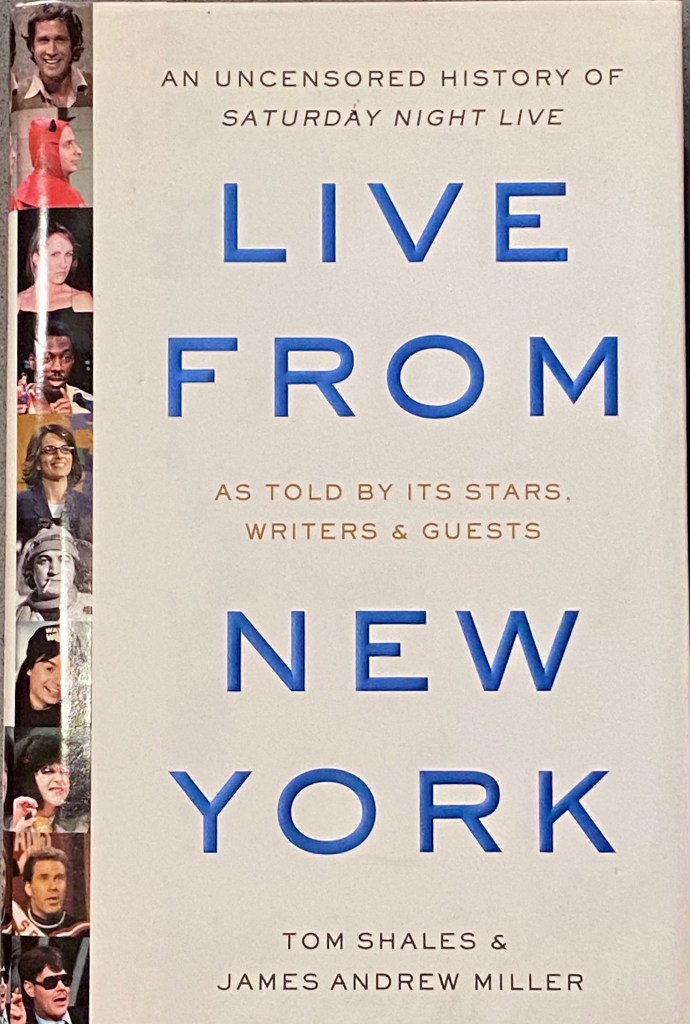
The 1990-93 SNL seasons (with cast members Dana Carvey, Phil Hartman, Jan Hooks, Mike Myers, Dennis Miller, Kevin Nealon with young David Spade, Chris Farley, and Adam Sandler) is the only other truly great era of the show in my opinion:
• Motivational speaker Matt Foley.
• “Coffee Talk with Linda Richman.” Carvey as both George H.W. Bush and Ross Perot, with Darrell Hammond as Clinton. The Chippendale’s audition sketch with Patrick Swayze and Farley. Wayne’s World. Sprockets.
• Miller remains the greatest “Weekend Update” host ever, and it isn’t close. Who else could take the bathyscaphe down into the Marianas Trench of references the way Miller could? A highly subjective list of Favorite Miller References: Topo Gigio, the Zapruder film, Tenzing Norgay, Blanche DuBois and Bob Crane. (One of my favorite things to hear from certain friends these days: “Dennis Miller — he used to be so clever.”)
Lorne had figured out how to keep the engine running with a home-run cast, great writing and balanced politics. It was a golden time.
I stopped being a regular viewer around 2003. If forced to pinpoint it, I can cite the first few times that Weekend Update anchors suddenly began to break character to laugh at their own jokes, as in, “This material is so good, I just can’t contain myself!”
To be fair, producing five quality sketches on a weekly production schedule is really hard. That should be acknowledged.
I don’t hate the show, I just don’t care about it the way I once did.
I’ve missed at least three full cast eras, so maybe I’m wrong — maybe today’s SNL isn’t predictable, partisan, or allergic to discomfort. You’re welcome to persuade me.
SNL rose to success in 1975 by skewering the Establishment. Today it is Establishment — precisely what it mocked and why it rose to success in the first place.
 Stuart Wade
3 Comments