
 by
by Book review (plus)
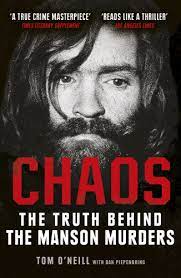
Chaos: Charles Manson, the CIA, and the Secret History of the Sixties by Tom O’Neill; Chaos, Netflix documentary by Errol Morris.
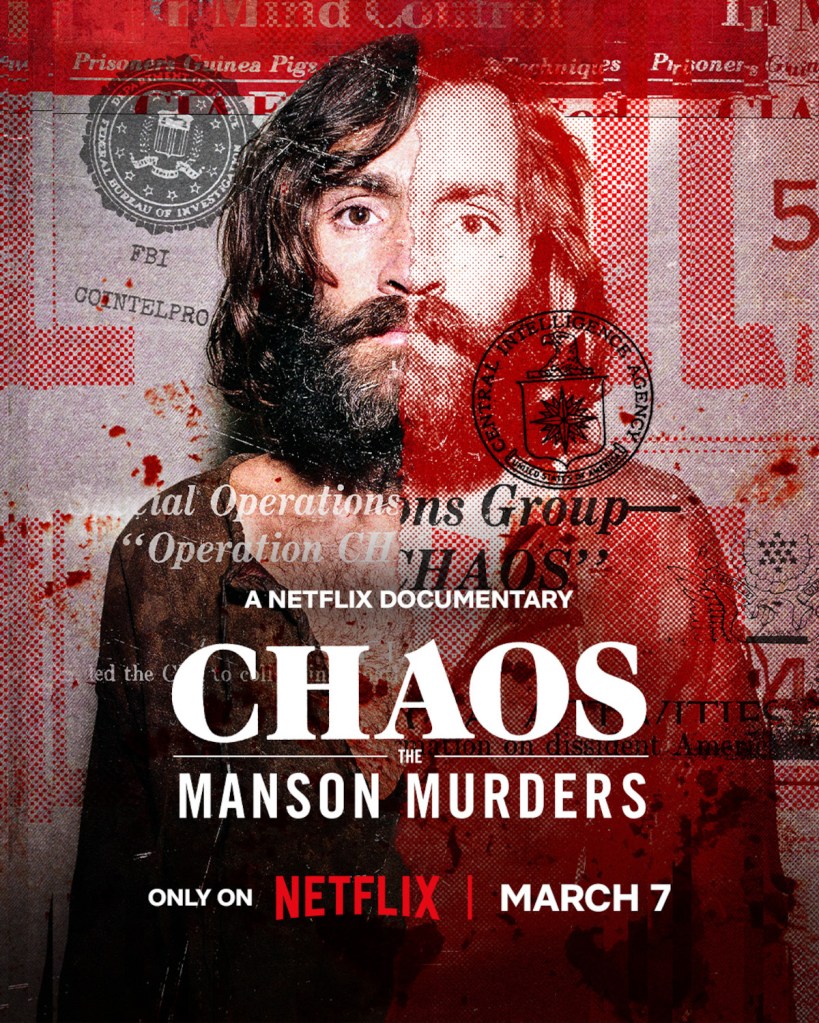
In the late 1990s, celebrity journalist Tom O’Neill landed an assignment from Premiere magazine to revisit the Manson family murders for a “where are they now” piece marking the 30th anniversary of the 1969 Tate-LaBianca murders in Los Angeles.
What began as a routine gig spiraled into a 20-year odyssey. O’Neill followed leads, tracked down key figures including prosecutor Vincent Bugliosi — author of the bestselling true-crime classic Helter Skelter — and uncovered a web of LSD experiments, mind-control research and federal intrigue.
The result, Chaos: Charles Manson, the CIA, and the Secret History of the Sixties, offers a flawed but fascinating second look. The author presents compelling evidence that the federal authorities crossed paths with Manson and cult members well before the murders that claimed the lives of seven people, including actress Sharon Tate.
In early March, Netflix released Errol Morris’s documentary adaptation of Chaos, which amplifies O’Neill’s work with compelling rare footage and chilling interviews (including with Manson, who died in prison in 2017). The Manson “girls” take center stage with truly disturbing commentary, while other central figures embellish this dark chapter of American pop culture.
One standout moment features “Charlie” himself, singing his own compositions, recorded during demo sessions. Though O’Neill’s book definitely wanders into some tall weeds at times, his reporting remains thorough, backed by years of meticulous research. Notably, his work further undermines Bugliosi’s questionable Helter Skelter theory, which claimed Manson aimed to ignite a race war inspired by cryptic messages sent to him directly by The Beatles.
O’Neill’s work reveals some far grittier realities. About eight weeks before the 1969 bloodbath, Manson shot Black Panther member Bernard Crowe in the face. Though Crowe survived, Manson believed he’d killed Crowe, and grew paranoid about potential retaliation from the Panthers.
More likely, Manson’s rage stemmed from his failed music career. Years earlier, a chance encounter connected him with Beach Boy Dennis Wilson, who in turn introduced Manson to producer Terry Melcher. Melcher sampled Manson’s demos but didn’t sign him—a rejection that aspiring singer/songwriter Charlie never got over.
The Cielo Drive house, where Tate, hairstylist Jay Sebring, and others died on the first night of the killings, belonged to Melcher. Although Melcher had moved out by 1969, Manson had visited the property and, according to O’Neill, had deliberately targeted it to terrify — even to kill — Melcher.
I’m no true-crime buff. Only the Manson and OJ sagas fascinate me, but Chaos entertains by breaking new ground.
One player in this tragedy who practically cries out for a biopic is CIA operative Louis “Jolly” West, a shadowy 20th-century figure seemingly present for many ‘60s moments. In 1967, West is associated with a free clinic in San Francisco’s Haight-Ashbury district frequented by Manson and his girls.
West specialized in hypnosis and the implantation of false memories, and experimented with LSD as part of the infamous MK Ultra program. He once fatally overdosed an elephant with the drug.
Less well known: In November 1963, West was also the doctor — the only doctor — who treated Oswald assassin Jack Ruby, when he suffered a psychotic break in his Dallas jail cell.
Conveniently, Oswald was never brought to trial and was forever silenced, fueling endless conspiracy theories about patsies and “lone gunmen.” Recent buzz around the JFK files hints at multiple shooters, but definitive answers remain elusive.
O’Neill chases down some Oliver Stone-esque tangents. It’s a fun ride.
Morris’s documentary complements O’Neill’s book, and upon seeing it I realized: Quentin Tarantino must have studied this rare Manson footage for Once Upon a Time in Hollywood. His 2019 film vividly recreates 1960s LA, including the 10050 Cielo Drive crime scene.
O’Neill’s book and Morris’s film don’t resolve every thread. The government’s ties to the Manson Family, West’s bizarre trail, and the murky motives behind the murders invite speculation as much as they deliver answers. Yet that ambiguity fuels this project. Chaos thrives on its dogged pursuit of truth, even when the trail veers into the bizarre — like an elephant dead from LSD — or the absurd — the same CIA spook sizing up Jack Ruby in 1963 was hanging nearby Charlie in 1967.
For anyone intrigued by the Manson saga, the O’Neill book and documentary are worth a look. Chaos helps reassess the complexities of a case long attributed to Bugliosi’s fable of hippie violence.
 Stuart Wade