
 by
by What began as a “five year mission” just hit 30
Right about now, 30 years ago to the minute, Christi, two cats and I exited Interstate 35 at 15th Street, heading west to an apartment on the corner of Enfield and Robin Hood, our journey from Chicago to Austin complete.
If you had told me on January 1, 1995 that in a few months I’d be moving to Texas, I would have said, “Get the hell out of here.” I had no connections here, had visited Houston only once, and remained unsure about this place and its reputation.
Our time in Chicago was over, we’d determined. She’d pursue a masters and I’d begin writing more bylined work. Most likely only briefly, en route to the next phase.
But here we landed, in Austin with its sandstone and live oaks and vintage convertibles and shitloads of restaurants and freaks and carpetbaggers. And here we are.
What an adventure!
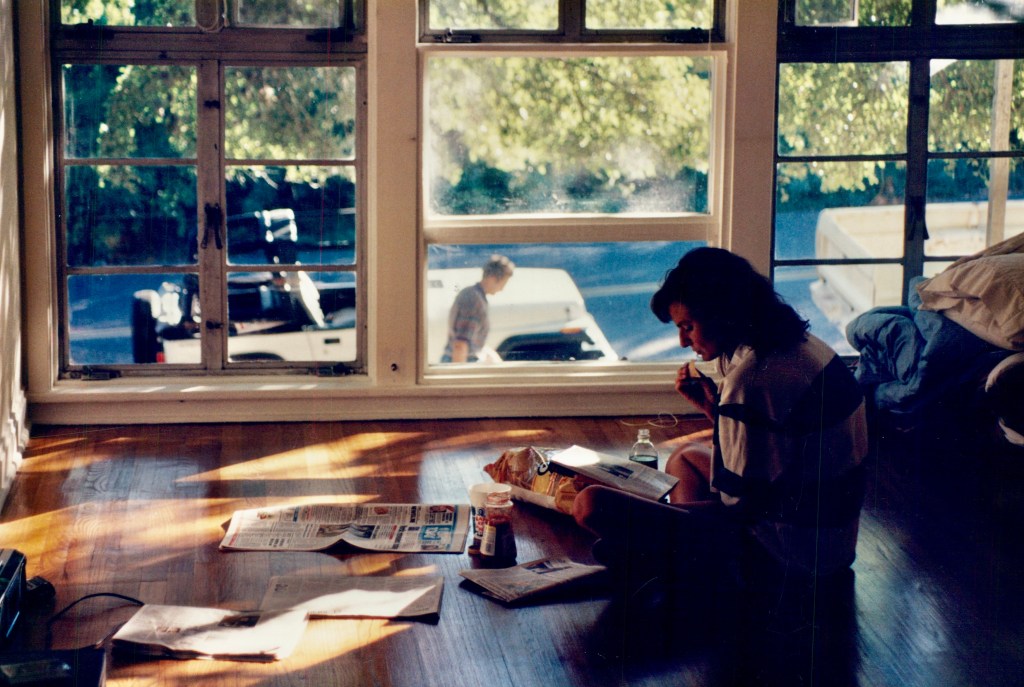
We started a family, three sons now grown, recently graduated, and as of three weeks ago, fully employed and have relocated from Austin. Empty Nest Mode engaged. (For now. All three boys are proud native Texans and likely to continue once careers get rolling.) We put down roots, bought a home, built friendships and work relationships that extend physically, generationally.
The five-year mission became 10 years. Then 25. And now today.
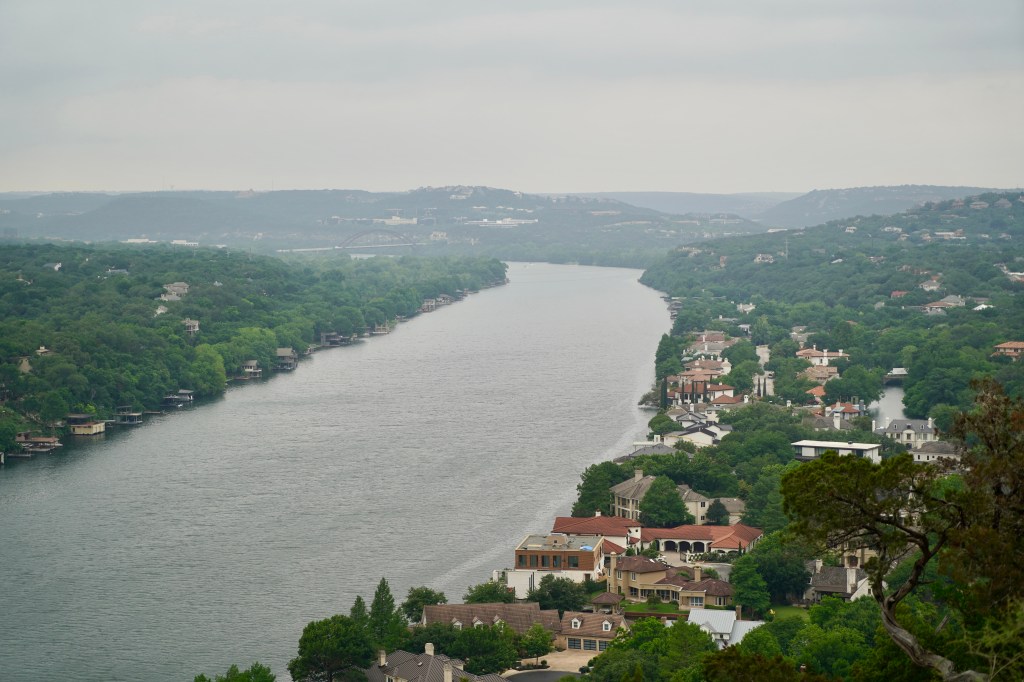
People fall in love with Austin and never leave. This might be the most transplant-friendly city in America precisely because everyone comes from somewhere else. We’re all strangers together, which creates a distinct openness.
Sometimes cities have unusual connections you don’t see until you’re in them. Austin pipelines with Nashville (and Tennessee) through music, through Dell, through massive growth and popularity, through the state’s seat of government in a red state, through large state schools and college football powerhouses.
And BBQ.
Zoom out from just Austin, and it’s a similar deal for the state of Texas.
A popular bumper sticker here reads, “I’m not from Texas but I got here as fast as I could.” I’m living testament.
This place evokes “the West” far more than the South, something outsiders often miss. The stereotypes persist (cowboy hats, pickup trucks, guns), but they miss the real engine — an open optimistic, “It can be done” attitude that runs through everything.
One of my favorite projects involved writing a speech on the Texas economy for Frost Bank’s then-CEO, a self-made man from a small Texas town, smart and direct, even during fallout from the 2009 economy. He pointed me to The Big Rich, Bryan Burrough’s portrait of the 20th-century Texas oil families. I recommend it to anyone curious about the “whys” and “hows” here.
[My own career evolved here by happenstance. I left a Chicago job somewhat abruptly — getting checked for an ulcer will do that — to freelance temporarily while figuring out what came next. Then my phone rang. And has kept ringing with three decades of great clients, steady interest and travel, three books with a fourth certainly out there, and every high and low that comes with independence. The freedom to counsel rather than take orders, to be trusted without being owned has been Worth It.]
The fable of oil derricks and overnight fortunes still shapes perceptions, but modern Texas tells a more complex tale — Austin’s tech corridor, 54 Fortune 500 companies, a majority-minority population that’s heavily urban.
Here’s the fascinating part. This Texan mythology persists and actually shapes reality. Politicians campaign in cowboy boots while writing laws for global supply chains. That tension produces results. It generates bold confidence that attracts capital and talent, while the modern infrastructure delivers the workforce to compete. Texas’ economic growth has outpaced the national average by 1.5% annually since 2015.
I could not love Texas more because of this. And yet it STILL feels like a proprietary secret to those who just don’t want to know. Whose ranks I exited precisely three decades ago this hour.
Likewise, Austin’s growth has been insane. Its metro population has more than doubled since we arrived, adding more than a million people since 2000. Central Texas added over 200,000 residents just between 2020 and 2023.
That’s spooky. Housing prices have gone from affordable to eye-watering. Traffic that merely annoyed in 1995 has become a legitimate planning crisis. The “Keep Austin Weird” slogan once captured something real — a creative oasis where both artists and state legislators in Stetsons roamed. Growth has diluted that weirdness, maybe eliminated it. That’s both inevitable and worth mourning.
Land, lots of land, drives Texas, perpetually luring residents and fueling industry. Austin’s growing pains mean recognizing the pros of wide-open country while putting longitude and latitude in proper perspective.
Yet smart people are everywhere. Austin’s density of talent, ambition and yes, optimism, creates an energy that’s hard to mimic and harder to beat. Thus, it’s now a top-15 American city and climbing.
I think about that moment exiting I-35 and heading to Exposition and Enfield. Those two people (those two cats), our possessions heading into an uncertain future in a city we barely knew.
The Austin we arrived into has vanished, replaced by something less weird, more innovative and vibrant. And will be replaced again. The Austin of 2055 will look unrecognizable from today. But if there’s one thing I’ve learned in 30 years, it’s that the fundamentals hold and the optimism remains.
 Stuart Wade