
 by
by *Pre-Internet
November 3, 2021
My buddy Eric and I started a discussion of “media things” that existed in the 1970s and 80s: technologies, events and concepts that influenced our childhoods. One such topic — buying an album. Following are thoughts on this particular Excellent Media Experience. I hope you’ll find value in this look back at what it was like to experience these things — some of which have staged mainstream comebacks.
Buying/Owning Albums (excluding the recent ‘vinyl revival’)
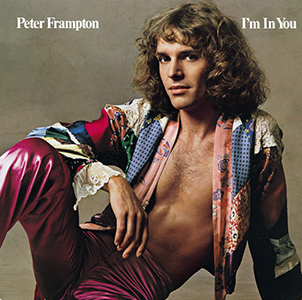
Value/Relevance in Present: A teenage rite involving working and saving your money, poring over the album review, and assessing risk related to the purchase decision. Before the digital world, the very real possibility existed that you knew of no other way — besides buying the album yourself — to listen to this particular new music from any radio format or any album-collecting friend. Case in point from 1977: Should you grab Frampton’s latest, ‘I’m In You?’ before listening first? (Spoiler alert: NO.)
Description: The process began with a long store-browse that included the LP cover art and then reading every available word on the back of the sealed album. It continued to the cutting/removal of the shrink wrap and paper inner sleeve in your bedroom. And it culminated in the careful removal and DiscWasher-ing of the vinyl before lowering the needle for the first time on your new investment.
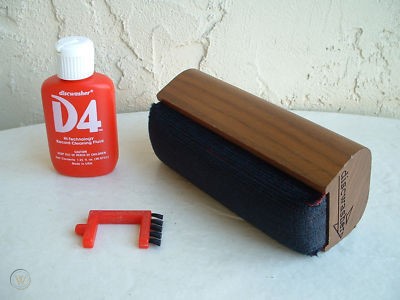
What it imparted (benefits, lessons, etc.): The retail consumer experience began with record stores and bookstores, both of which have nearly vanished from the earth. Album rock was a medium happily consumed by and aimed directly at pre-adults; it was made for you and aimed at you — not your parents. You took a chance on album quality but more than that, you risked what the ownership of a specific LP said about you: Were you cool?
Downsides: Warps, scratches, smug record-store clerks.
Deeper profile/reflection of one of these things: This was back when listening to music was communal rather than through your own device/Airpods. (And you had to have “loudspeakers.”) Then it also was crucial to persuade someone you liked to listen with you. We’re talking about the time when record reviews and the critics who wrote them still mattered, as did the entire in-store experience. This was a rich activity as well. Until you had a driver’s license, you had to find a non-parent ride, deal with the nerves of being in that new space packed with shoppers and, most importantly, clerks (see film: High Fidelity) who were far more knowledgeable, confident and cooler than your self-perception.
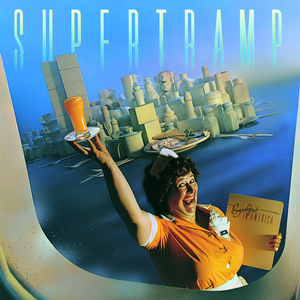
I still hold great memories of playing Supertramp, “Breakfast in America” every summer mid-morning in ’79 on my new Pioneer SX-550 when high school buddies Jim and Greg would arrive on bikes and then we’d go to the pool, age 15.
We had not a care in the world. It was the final summer of no cars/girls, and we all were working at the local Dairy Queen together… A merry, nerdy band with roughly the following daily schedule:
10:45 a.m. — Convene at Wades’ (basement bedroom, albums spinning)
11:00 — Consume a pre-game chicken patty, microwaved
11:15-11:30 — Roll to Hartke Pool (bike locks and/or towels around shoulders), the big Olympic-sized public pool next to UE’s Roberts Stadium. Admission: roughly $.35. I’d have $2 on me, in shoe
11:31-12:59 — Diving boards, spending minimal time in the general pool or sitting
1:00 — Purchase/eat ice-cream sandwich
1:07-3:15 — Return to the diving well. Ogle the two hot Memorial juniors-to-be, Joan and someone whose name I cannot recall, who attended daily. Never speak with them
3:15-4:30 — Ride back to the house for a microwaved hot dog. Read Rolling Stone, The People’s Almanac, something by John Irving or Tolkien
4:35 — Ride two miles to Dairy Queen
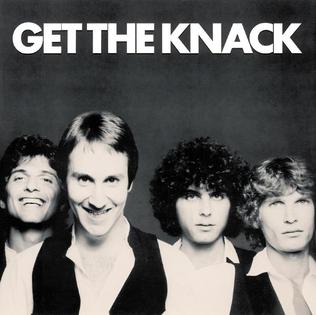
5-10 — DQ shift, usually alongside Jim or Greg (sometimes both). Zero adult supervision from absentee owner/nice guy, and former UE basketball star Clyde Cox. Lots of cassettes: Van Halen II, Candy-O, ‘Get The Knack’
10:01 (weekends) — Close, clean up as fast as possible, lock up. Order stromboli sandwiches
10:15 — Ride to Pizza King (nearest to Greg’s house), eat at Greg’s or everybody goes home
11:30 — Home, Steely Dan’s Aja on the turntable. Drift off to sleep. Repeat
Back to the album ownership experience: This was long before all 11-year-olds were given unlimited access to all the music ever recorded. You had to work hard to find that friend, or his stoner older brother, who owned the albums and artists you wanted to hear. Otherwise, your only alternative was to roll the dice and drop $7.99 of your lawn money on that 3.5-star album review you read in Rolling Stone.
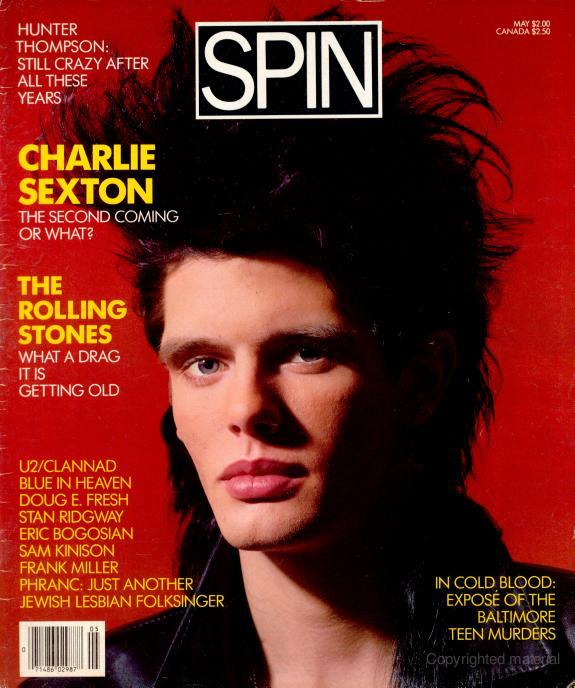
Critics ruled. By the way, music critics and their opinions mattered. Only a dozen or so writers had true power to make or break album releases, and even influence artist’s entire careers. And, when you found “Your Guy,” the reviewer whose tastes best aligned with yours, you did everything possible to track down his opinions re your favorite artists.
SPIN was fascinating, and definitely seemed edgier than RS. It was an occasional splurge for me and always delivered entertaining glimpses of a punk/alt/NYC world one would otherwise overlook.
* * * * *
An afterthought: At SXSW Interactive 2001, I attended a “Future of Gaming” panel. The item from that discussion that has stayed with me was a single ppt “slide” showing the average time a young person spent with a given “media asset.” It went something like this:
– Classic novel 15 hours of total interaction with the item
– Hit movie on DVD 12-20 hours
– Music album or CD 25-50 hours
– Game 80-120 hours
That’s a fascinating metric: time spent with content type. I wonder what it is today, and how it’s evolved since the rise of the smartphone.
 Stuart Wade
2 Comments