
 by
by November 4, 2021
It’s November, I’m writing daily, and “sentimentalizing childhood memories” is what I’ve been up to in these pages so far.
So, let’s talk about Warren Zevon.
In 2020, when I finally got around to streaming Ray Donovan, Zevon’s bleak and beautiful Desperados Under The Eves materialized during an episode of the Showtime series.
Hearing the track brought me right back to my basement bedroom/listening room circa 1978. An epic song from an epically flawed man, the music complemented a montage sequence as if it had been commissioned. Zevon, dead since 2003, had written the song 40 years earlier.
Until Werewolves of London, the LA singer-songwriter was known mostly within the musical fraternity. It would become Zevon’s only chart hit and has since been played to death, much like George Thorogood’s “Bad to the Bone.” Both clever tunes, if only you could shed the commercial overkill.
But many who encountered Zevon’s music were never quite the same after.
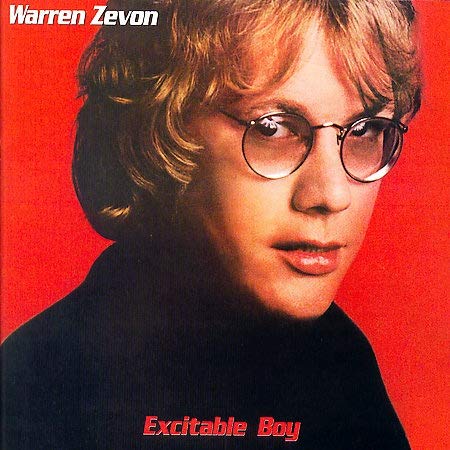
I first heard the name when Linda Ronstadt’s zippy cover version of Warren’s depraved Poor Poor Pitiful Me achieved mention on American Top 40 in 1977. Roughly a year later when Excitable Boy hit, my college-aged older brother Woody played Roland the Headless Thompson Gunner for us at the IU Fiji house.
Then we heard the title track, a grim spiral in which the main character rapes and kills his prom date. And then it gets really weird.
Zevon’s crazy life is reflected in his lyrical obsessions with excess, loathing and death. Confident humor and a muscular point of view stood in stark contrast to a sensitive male oeuvre that was getting guys like James Taylor laid at the time.
Neither a saint nor a hero, Zevon set to music surreal tales lousy with diplomats, outlaws and village idiots.
The gallows humor and bizarre topics — carnage, addiction, sleaze, vengeance, Elvis — were catnip for a late Seventies lad. At 14, the perfect age to crave horror or comedy (or both), I was All In.
I rushed out to buy the record along with Zevon’s 1976 self-titled album, produced by Jackson Browne.
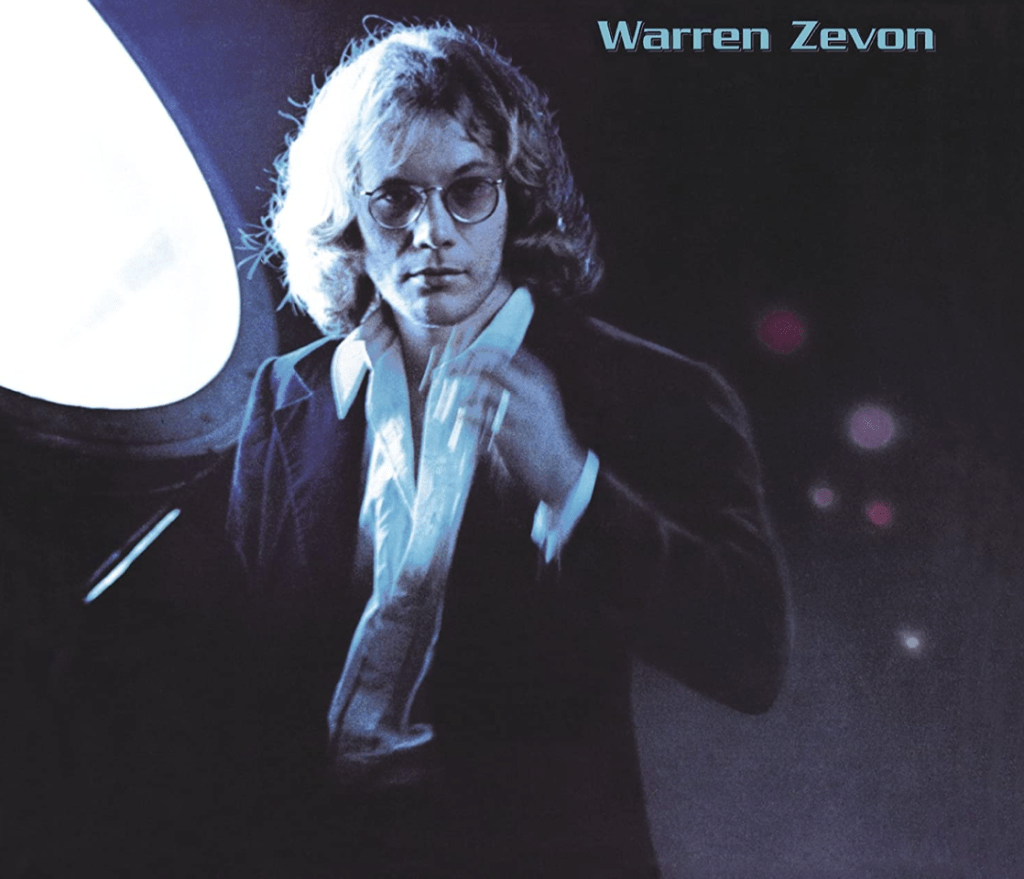
Mohammed‘s Radio, about radio as an escape from reality, became a personal favorite and provides an epitaph for the viral non-summer of 2020: “Everybody’s restless, and they’ve got no place to go.”
From the Excitable Boy LP, Johnny Strikes Up The Band was this urgent leadoff track. Was it about a drug dealer? Or perhaps a tribute to Johnny Carson and producer Fred (“Freddie get ready…”) de Cordova?
Lawyers, Guns and Money remains the sing-along anthem for getting oneself mixed up in all kinds of shit, while knowing you’ll win extradition and avoid indictment.
When I entered college and fraternity a few years after my brother, the Warren fandom of others became shorthand for identifying a compatriot.
Hey. ‘Tonks’ is a Zevon collaborator.
The son of a Chicago fixer who moved west, Zevon briefly studied classical music with his California neighbor Igor Stravinsky. The aspiring songwriter worked as a session musician and jingle composer. Two compositions made it onto Turtles LPs, and in 1969 he contributed a song to the Midnight Cowboy soundtrack. His keyboard skills landed him a spot touring with the Everly Brothers, and he lived for a time in Spain.
He spent years working his craft, even rooming with Lindsey Buckingham and Stevie Nicks. Eventually his songwriting earned him a seat at the table just as the brooding-male L.A. scene was peaking with the Eagles, Linda Ronstadt and Browne, who gave Zevon his big break and became a frequent collaborator.
Fame had arrived but commercial success eluded him.
His appeal became more selective, and although he continued recording strong material, he would tour for the rest of his life to make a living.
The macabre humor of I’ll Sleep When I’m Dead aside, Zevon became, or already was, a blackout drunk, an addict, and a violent husband and father.
“I got to be Jim Morrison for longer than he did,” Zevon once said.
He was admired, then avoided, until he got sober as chronicled with wry despair in Detox Mansion. (My buddy Don and I were able to see Zevon perform this one live at The Holiday Star Theater in beautiful Merrillville, Indiana in 1990.)
Zevon mellowed. He worked with three quarters of R.E.M. and and even toured with them for a one-off project, Hindu Love Gods. My go-to station, 93 WXRT Chicago hammered their single, “Battleship Chains.”
And Zevon never lost his eye for strange tales.
Boom Boom Mancini chronicled the horrifying true story that it seemed like no one else in the culture would touch: the 1982 fight in which boxer Ray Mancini literally beat opponent Duk Koo Kim to death in the ring. As one YouTube commenter put it, “Badass song about a badass fighter from an all-time badass storyteller.”
Porcelain Monkey was Zevon’s three-minute exploration of the trinket Elvis Presley had on display in his most garish room at Graceland. “He had a little world, and it was smaller than your hand.”
Another personal favorite, Splendid Isolation was written to hint at the narcissism and tedium of fame, but it might as well have been about today’s Instagram-addicted young skulls full of mush.
For now, I’ve avoided the Zevon biographies. I prefer to remember the badass storyteller rather than dwell on the substance-addled train wreck.
One of rock’s more underrated covers is Zevon’s version of Steve Winwood’s, Back In The High Life Again. The original was a slick, upbeat 1986 chart hit.
Zevon’s note-for-note version is a much darker cup of coffee.
The ominous track stood out on 2000’s Life’ll Kill Ya, a death-obsessed album written two years before Zevon’s terminal mesothelioma diagnosis. It was a brilliant Zevon choice. Around the same period, he even performed Bette Midler’s soft-rock hit “From a Distance.”
Over the years, Zevon occasionally filled in for Paul Shaffer as bandleader on Letterman’s NBC and CBS shows. When Zevon became terminally ill, Letterman gave his old friend what became one of the show’s most memorable hours.
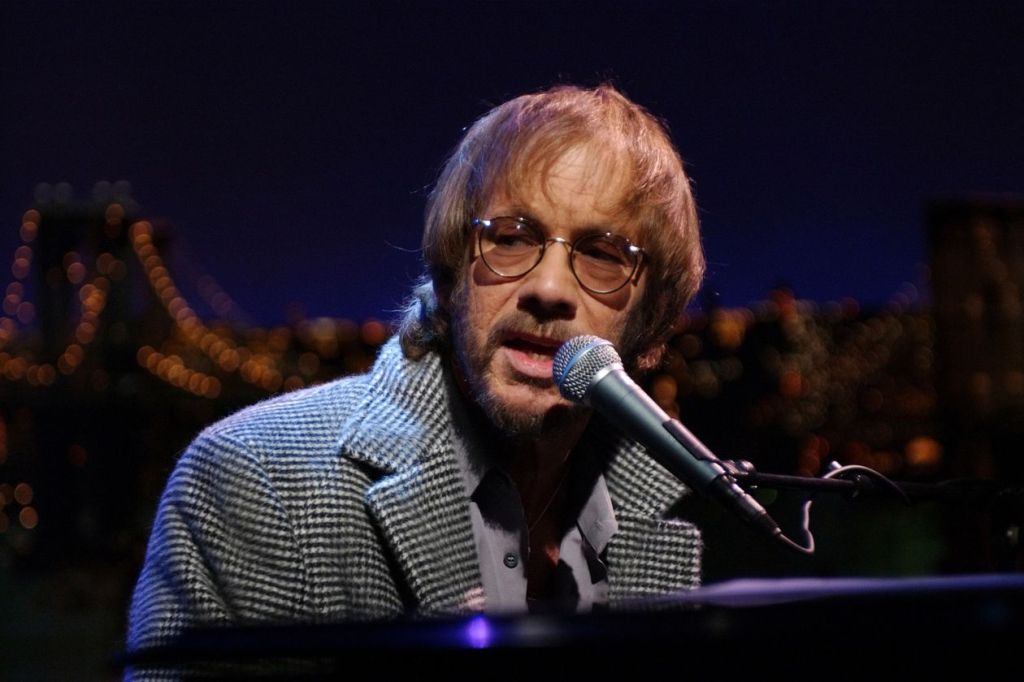
In an October 2002 “Late Show With David Letterman” episode, Dave gave Warren the full program to talk about his life, music, cancer — anything that came to mind. Paul Shaffer and the band played him on with his own “I’ll Sleep When I’m Dead.”
“Do you know something about life and death that maybe I don’t know now?” asked Letterman. Zevon: “I know how much you’re supposed to enjoy every sandwich.”
Warren Zevon died in September 2003 at the age of 56.
But he had one more record in him.
The Wind arrived just weeks before his death. Jackson Browne was back in his life, and the album included Don Henley, Joe Walsh, Ry Cooder, David Lindley and Jim Keltner. Zevon also allowed the recording sessions and his deteriorating condition to be captured for a documentary.
Like David Bowie with Blackstar years later, Zevon had the final say on his legacy.
Zevon was original, outrageous, at times even dangerous — but mostly, funny.
As I watched that Ray Donovan moment unfold, I was back at the intersection of the music and those fun, formative years of mine.
Through Warren Zevon’s music, I found kindred spirits in friends who also appreciated an offbeat, literary humor that could not have come from anyone else, anywhere, at any other time.
And his hair was perfect!
* * * * *


1 Comment