
 by
by * Before the Internet!
Nov 8, 2021
Happy November Challenge, in which I resolve to write something daily all month long. The second installment of Excellent Media Experiences covers magazines — and the broader case for physical media before it lost the argument.
Here’s Part I — Buying an Album.
Note: The journey back to these lost-era bits of nostalgia is not to declare all advances in media technology “bad” and all old-school components “good.” The intent is to home in on the core ingredients, the enablers of Excellent Experiences before the Internet, to maybe raise appreciation of both worlds.
Is physical media dead?
Apps and connected devices have certainly swept physical media aside.
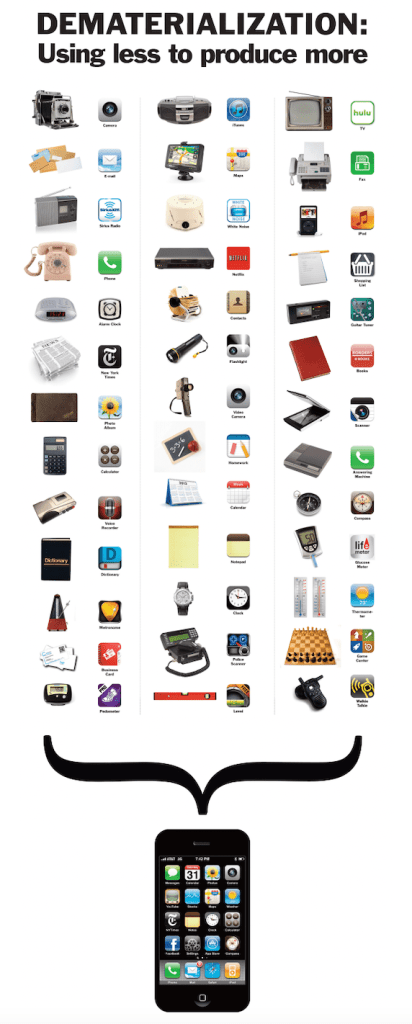
In 2007, not all that long ago, publishers and studios still packaged their information in physical books, CDs, and DVDs shipped to retailers. Today we acquire those same experiences without the package.
With digitization we enjoy real advantages: We can now stream movies at home and instantly acquire new music.
But convenience comes at a cost. The “24-hour news cycle” of cable TV trained us to expect immediacy. Social media brought that, but stripped out the editing. Unlike the edited pages of Time or Newsweek, today’s digital content lacks the level of gatekeeping that helped ensure accuracy and depth.
The video store, the newsstand, catalogs and the beloved magazine, arriving in your mailbox a full day before it hits newsstands, have all faded into memory.
When was the last time you bought a magazine?
Fragmentation across countless channels means more choice but less of a shared experience. Mobile devices are intimate wonders of innovation, yet I miss the old-school appeal of albums, pagers, and fountain pens, even as I embrace the speed and quality of new tech.
Regardless of whether we see smartphones and broadband media as good or bad, they’re here to stay. Print magazines will likely become a premium product for those willing to pay, with small print runs. But display-ad revenue, dropping since the 1980s, will never recover. We may see a revival of ‘print editions,’ as special content treats, but that’s about all.
Weekly publications: Time, Newsweek, TV Guide (maybe bi-weekly), Sporting News, etc.
Value/Relevance in Present: A timely reminder of the strengths of the “24-hour news cycle,” of the cable news era and the “never-ending” cycle of the subsequent social media/smart phone era. And a warning sign of the glaring inaccuracies and truly deep flaws we’re seeing with each.
(Cable news accelerated the cycle. Social media kept the speed and stripped out the rest.)
Growing up in the 1970s and 80s, magazines were part of the week’s rhythm. Your parents subscribed to several; you’d see others at newsstands or in waiting areas at the doctor’s or dentist’s. The barber shop always stocked sports titles, and for slightly older patrons, Playboy.

You knew exactly which day magazines arrived in the mail, and you’d grow irritable if a postal delay meant waiting an extra day. Carving time to skim magazines mirrored today’s digital news “loop.”
Post-event analysis was magazines’ great strength. In 1980, Newsweek and Sports Illustrated provided essential reading to understand John Lennon’s murder or grasp the background significance of the US Olympic hockey team’s defeat of the Soviets.
These weeklies moved through editors whose job was to push back on a writer’s assumptions, tighten the argument and kill what didn’t hold up. That layer of friction produced better work.
Writers and readers of certain age or experience likely agree (resoundingly) this is sorely missed in the current climate. It is a major problem, likely to continue with no end in sight.
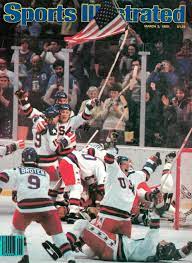
What it imparted (benefits, lessons, etc.): Anticipation and deeper appreciation of content, plus blessed respite from information overload once finished reading. The newsweekly format’s brevity often left you wanting more, building excitement for the next issue—unlike today’s instant content deluge. Those editors sharpened both writing and thinking with a rigor missing from social media’s unfiltered noise.
Downsides: Brevity. But magazines’ measured capsules feel like a luxury now.
Deeper profile/reflection: It was our only option.
You could read the big story in the next day’s paper, followed by columnists’ takes in subsequent days. What you couldn’t do was binge-consume photos, videos, or instant reporting moments after an event. The best you could get was “breaking news” on cable or network TV for major stories. No real-time social reactions — sometimes useful, but often inaccurate, incomplete or misleading.
Content back then often felt like an eagerly anticipated treat. These days, I occasionally grab a magazine at the airport — that’s my entire magazine consumption.
One of my mowing gigs growing up was the Wade grandparents’ yard. Grandmama Virginia Wade was a “subscription specials” junkie who took many titles. On many lawn-care occasions, she sent me home with a six-inch stack of copies of Newsweek, Time, US News, People, LIFE, Sport and Sports Illustrated, plus assorted titles for Mom and my sister like Redbook.
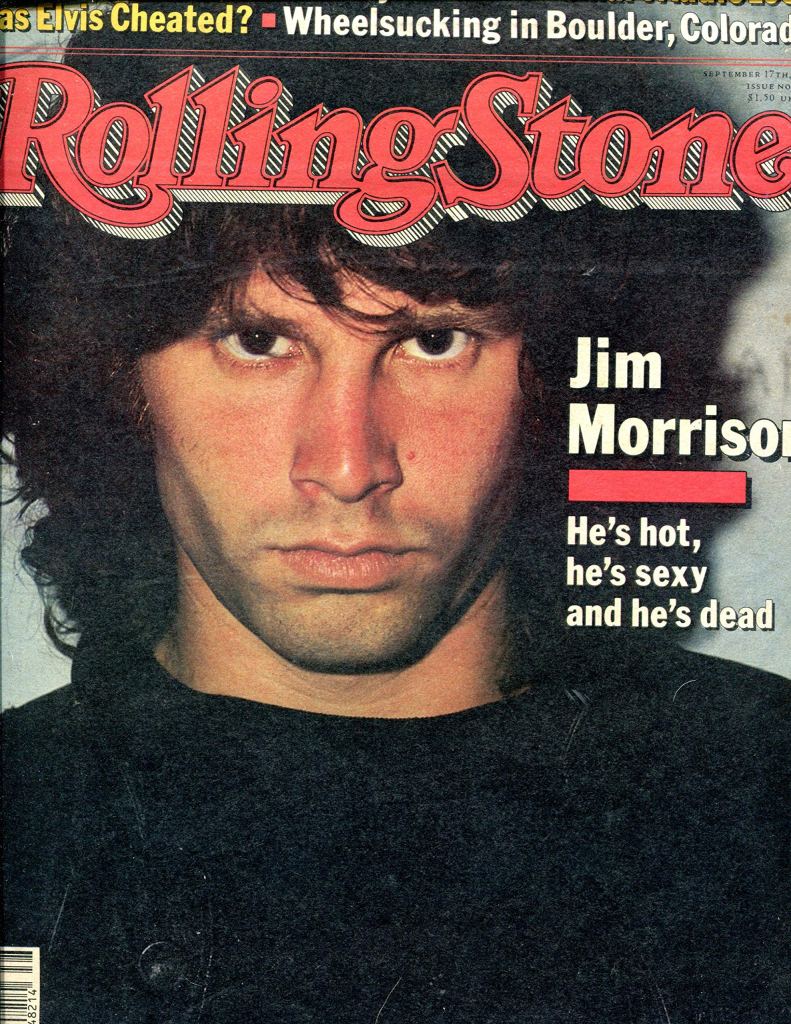
One humid Saturday afternoon when I was 15 and mowing their Greenfield Road lawn, the current Rolling Stone waited for me on the kitchen table at mowing ‘halftime’ (along with a large ice water). Awesome: Grandmama Virginia had added RS to the list. She later added Esquire and Warhol’s titanic-scale Interview.
An aside: The tactile appeal of handling a brand spanking new magazine copy, newspaper edition or book runs deep. Few things compare to cracking open a well-made hardback for the first time. Dona Tartt’s The Secret History (1992) hardcover edition comes to mind; it was slightly taller and more narrow than the typical hardback and used a font, Cloister, that was likely custom-made. Cheesy fun from around the same time, Griffin and Sabine was an interactive, coffee-table-sized “scrapbook” fiction with postcards and letters readers could handle and remove.
The same tactile truths apply to a pristine Chicago Tribune sports section or a Sunday New York Times no one else has yet read. I still get a small thrill from the odd vacation purchase, but it’s “chasing.”
The trade-off is clear: digital media offers unmatched access, physical media delivers potential depth and the 3D ability to share story assets.
My current book-consumption pattern: Audible.com first, then buy the physical book. The Kindle edition runs a distant third. Writing this, I realize how much I miss books and magazines — and will make an effort to return to both.
 Stuart Wade
2 Comments