
 by
by The gift that keeps on giving, bounces
It started with a basketball for Christmas when I was nine. I can still picture walking out to the W’s driveway on that bitter cold December 25th in Evansville, wearing my winter coat and stocking cap, dribbling my awesome new Penn basketball that I’d just pumped up. That’s what you did in Indiana. You shot baskets even when it was freezing, it was part of who you were.
Sometimes the gift that keeps on giving is so close at hand that you hardly notice it.
Looking back now, as my journal approaches its 50th anniversary this month, I realize how much basketball has been a consistent thread through the years. Not just as a sport I played or watched, or loved, but as something that helped shape friendships, open doors, build character and eventually turned into one of my favorite experiences as a parent.
Growing up in that basketball-crazy state during the mid-1970s meant being swept along by the state’s sporting identity. Indiana University, under 32-year-old Bobby Knight, was the top college-hoops draw on network TV just as the sport began to ascend nationally.
The Hoosiers’ perfect season in 1975-76 (also 50 years ago) — still the sport’s last unbeatens — created an expectation level that permeated my world. (I’m a fourth generation IU Hoosier, and son John makes it five.)
We lived at the epicenter of college basketball’s golden age. [The late Al McGuire, then the NBC college hoops analyst, said, “Put a pin in the map in Indianapolis and draw a circle extending 250 miles in any direction, and you’ll find where the next several NCAA champions came from.”]
Without even knowing it, I along with many of my friends growing up in a terrific high-school town absorbed this culture of loving the game, studying the players at every level — and maintaining the traditions, the rivalries that hold to this day.
For me the real learning happened at Steve W’s driveway.
Steve’s family home had the ideal basketball setup — an L-shaped driveway where every day after school, half a dozen neighborhood kids would gather. Those driveway shootarounds were about more than basketball. When the older boys let you hang around, you picked up everything – the official rules and the unwritten guy code, school dynamics, what music was cool, who the playground alpha was, etc.
The games themselves could shift like the weather (and we played in every kind). Some afternoons were loose, everyone trying trick shots and talking. Other days brought real competition, depending on who showed up and the mood they brought.
My first taste of organized ball came at age 11 in the YMCA’s YBA league. I was a hustling team player, not very aggressive. My dad would remind me, “Take a mean pill!” on game mornings, hoping to spark some killer instinct that never quite materialized.
Being the youngest of three meant getting hauled along to plenty of high school games. My siblings attended Bosse High School, my dad’s alma mater and the city’s basketball powerhouse. My sister, four years older, was a varsity cheerleader there. The Bulldogs played their HS home games at Roberts Stadium, home of the University of Evansville Aces.
As a kid, I was turned loose to roam that cozy 12,000-seat arena. The rule was to stay in sight of my parents, but I’d sit everywhere – the last seat in the last row across from the action, front row in the home section, and everywhere in between. That arena was all mine.
Those summers brought Arad McCutchan basketball camp. McCutchan, the former Evansville coach who’d led the program to five Division II national championships, ran weeklong camps with players ranging in age from about 8 to 18. This is where I first encountered serious conditioning and saw my first weight machine – something called “The Leaper” at the university’s Carson Center. I loved the drills, rose to the challenge and got better (good enough to make the 7th-8th grade squad starting lineup).
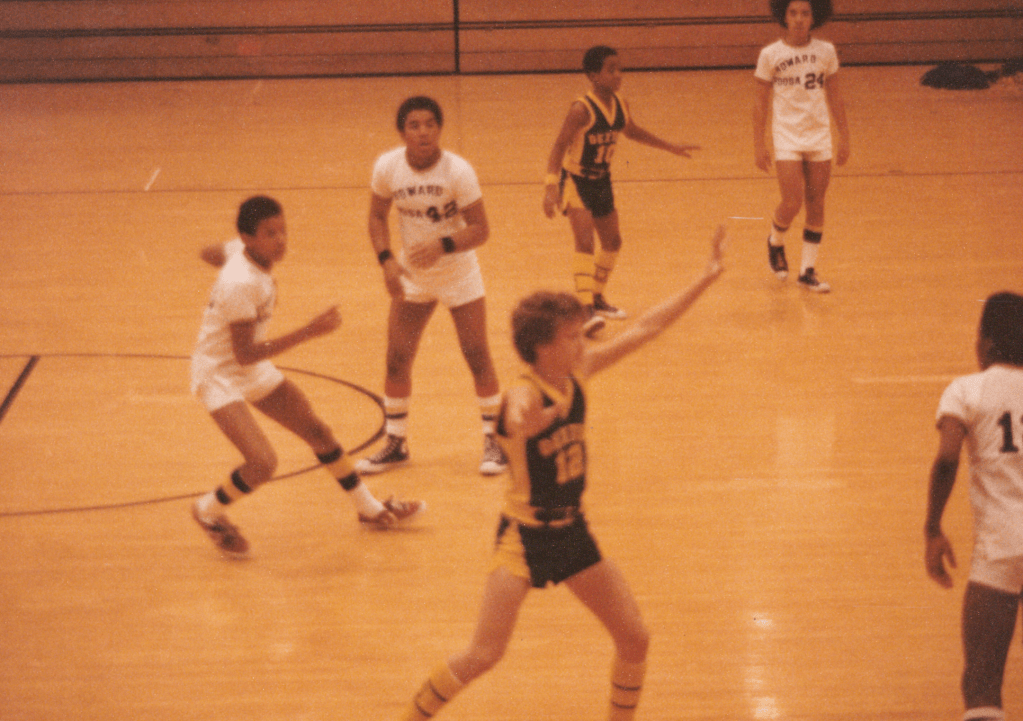
Then came December 13, 1977. The UE plane tragedy. I was in seventh grade when the Aces’ team plane went down, killing 29 people, everyone in the entire basketball program. Out of that tragedy, the program and our town responded. Within just a couple seasons, 10,000 people were attending every Aces basketball game. The school won its conference, made it to the D1 tournament. It’s odd to say tragedy and that team put my town on the map, but it did.
My organized playing career effectively ended after my freshman year at Memorial High School. Good enough to make the team roster, I knew pretty early on I wasn’t going to get playing time. But basketball had led me into cross country, as a way to be in shape for that initial season. Distance running became a lifelong pursuit, at least until my knees said, ‘No mas’ a decade ago.
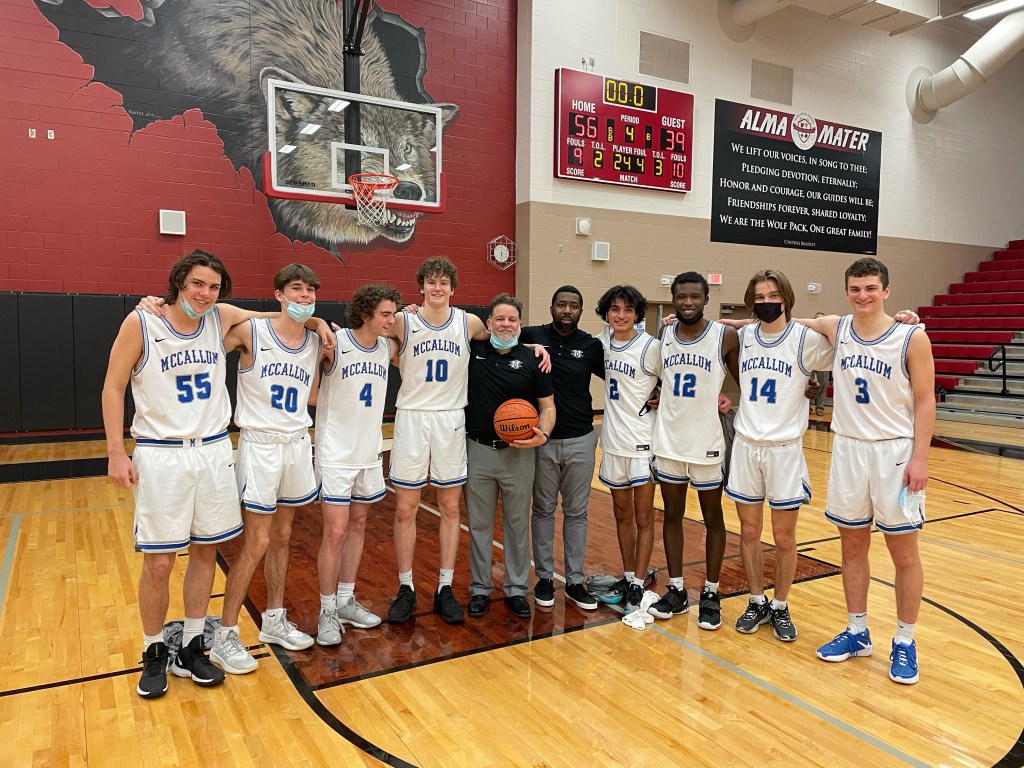
One of the more laughable basketball experiences came during a summer language immersion program in West Germany in 1981. I was there for seven weeks, with 30 other Indiana high school juniors. When a local German high school coach asked if some of us could play his team, we hastily assembled a squad. We got our asses kicked – it was hilarious.
One of our guys had no athletic socks so he wore dress socks and borrowed shoes. But we had fun with it anyway. It was also a lesson that basketball is universal, even when you’re getting schooled in a foreign language.
My undergrad years at Indiana roughly coincided with the ’81 championship (Isiah Thomas, Ray Tolbert) and led up to the ’87 title the year after I graduated.
My lasting memory of IU basketball as a Bloomington undergrad was the gameday mood within the Fiji house – guys watching in every room, and when timeouts or halftime arrived, everyone spilling out into the common hallway to debate, 90 seconds at a time, how the game was going — before diving back to their screens when play resumed. While I was there the Hoosiers knocked off MJ’s top-seeded and #1 UNC Tar Heels in ’84, and turned in an NIT runner-up performance in ’85.
Moving to Chicago in the mid-1980s, winters revolved around meeting to watch games. Back in the Stone Age before DIRECTV, coverage was regional and often spotty. You had to learn which Northside bars had satellite dishes.
I spent many a freezing February night, lined up outside Mickey’s on Clark or Gamekeepers on Lincoln to see Indiana on TV. Clark’s was the IU bar. McGee’s near DePaul became a regular spot – I’ll never forget watching us there, then staying because HBO was airing the Buster Douglas-Mike Tyson fight. (We all watched in amazement as Douglas pulled off the impossible.)
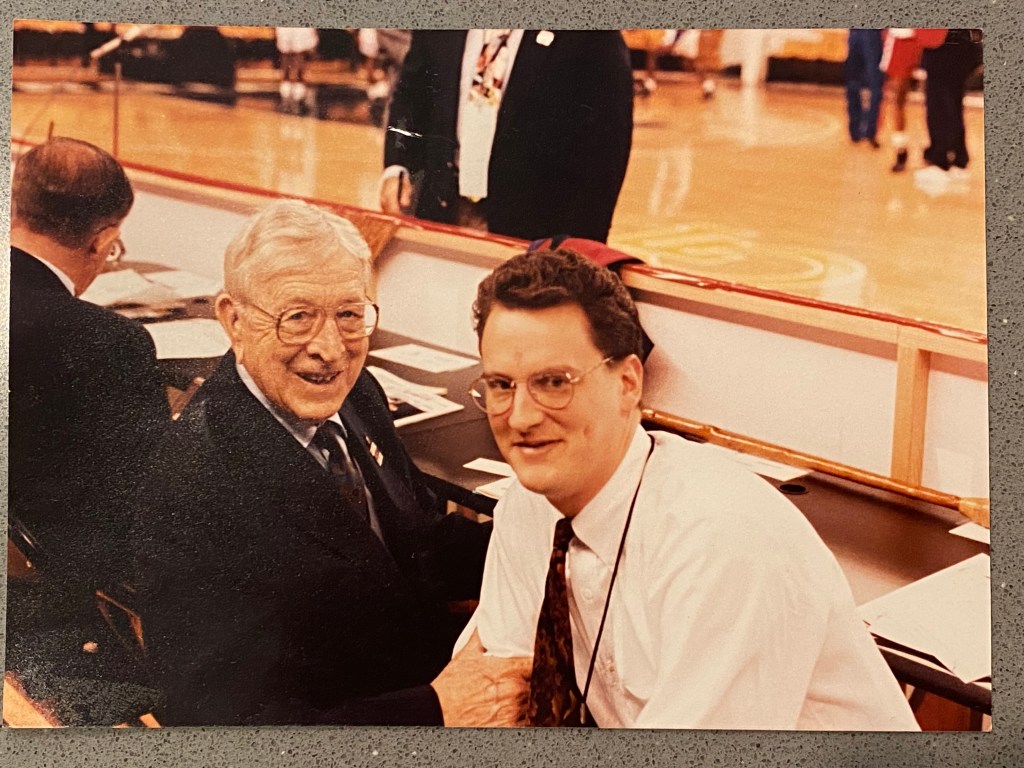
During those Chicago years, I had an incredible opportunity through McDonald’s corporate sports sponsorship marketing. I served as event publicist for multiple McDonald’s All-American high school basketball games, spending a week annually with 18-year-olds destined for the NBA. Seeing those athletes as high schoolers, their futures still unwritten, was both a privilege and a reminder that they were still just boys.
One lasting memory is from the 1992 team’s first shootaround. Everyone expected Jason Kidd and a couple others to dominate. Instead, it was soft-spoken guard Tony Delk who couldn’t miss, his teammates gasping with each picture-perfect shot. Delk would go on to win an NCAA championship at Kentucky and play ten NBA seasons, but that day he was just a kid from Tennessee unaware all of us staffers were witnessing a moment.
Being in Chicago during the Bulls’ rise was special, too. The entire city would come to a standstill it felt like, whenever the Bulls tipped off, every tavern and every TV screen — all eyes on Jordan and Pippen.
Fast forward about 20 years. Christi and I bought a basketball goal for our Texas driveway one Christmas when the boys were in grade school. No L-shape like Steve’s, but still a serviceable court. They spent countless hours there, and we endured more than a few emotional dinnertimes with three boys fired up about some perceived injustice that had just occurred on the asphalt.
The most memorable of these came when the twins finally cracked the code against their older brother. Ben, three years their senior, had racked up win after win in the pre-dinner games. Rob and John would storm inside, sweaty and frustrated, arguing about missed shots and blown plays while Ben sat quietly, victorious again.
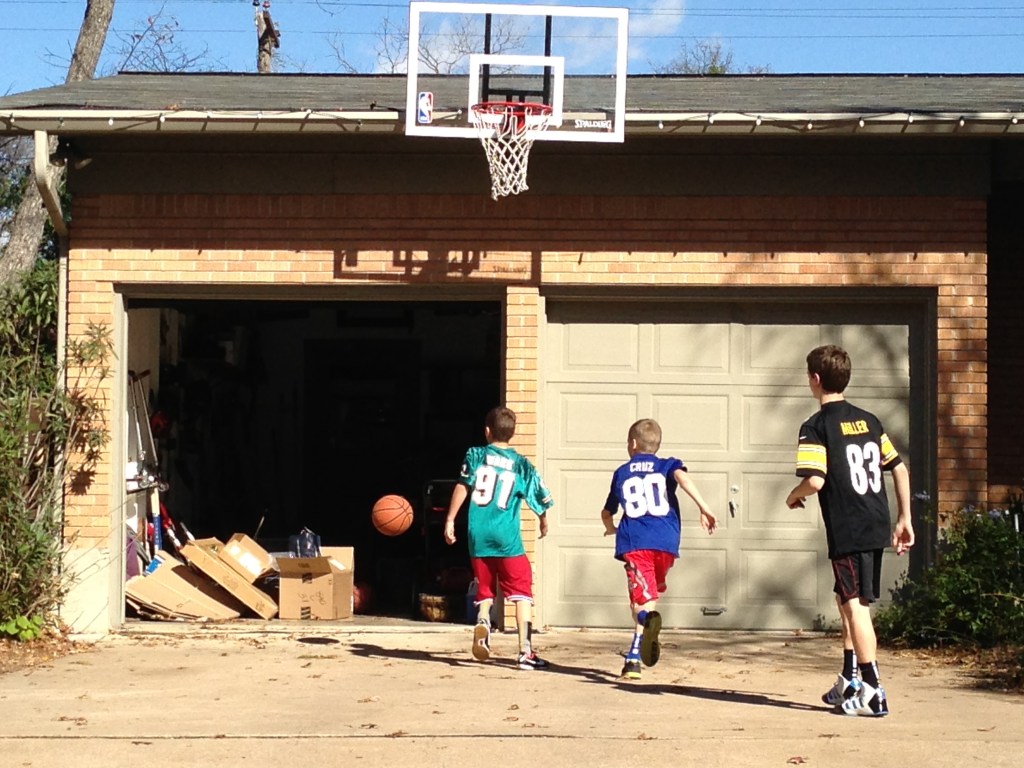
Until the inevitable evening the twins started moving the ball, making Ben chase on defense, wearing him down. When Rob hit John with the pass for the winning basket, the eruption could be heard three houses away. That night’s dinner conversation was different, the twins recounting every play while Ben grudgingly admitted they’d earned it.
My becoming a youth coach happened by accident. At the end of Ben’s second-grade soccer season, when their soccer coach asked if anyone wanted to oversee the boys’ first foray into basketball, I approached him afterward to volunteer as an assistant.
His response: “Nobody came forward. Congratulations – coach!” It never would have happened had we stayed in the Midwest – someone with actual coaching experience would have raised their hand that day. Texas gave me the space to discover I could do this.
Freaked out, but committed, I survived that first season and then spent the next several seasons coaching different levels from second grade through 18-year-olds, even helping operate and organize an Austin youth basketball league.
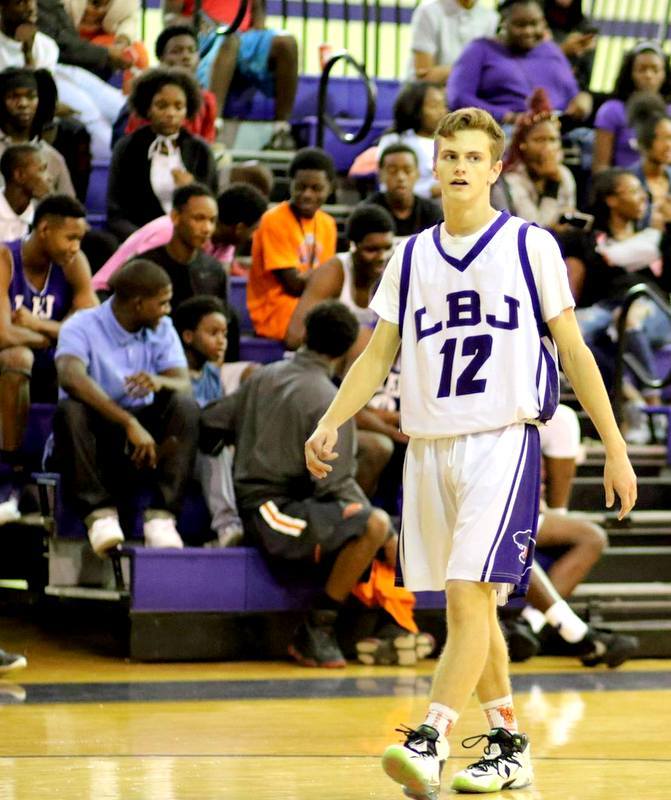
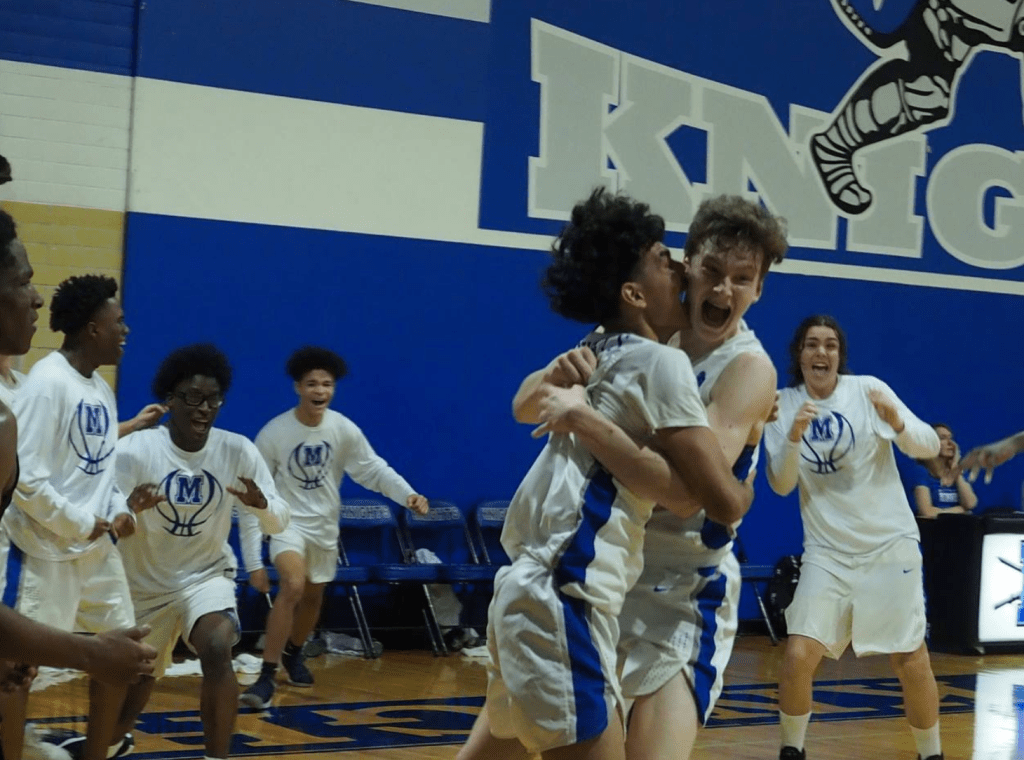
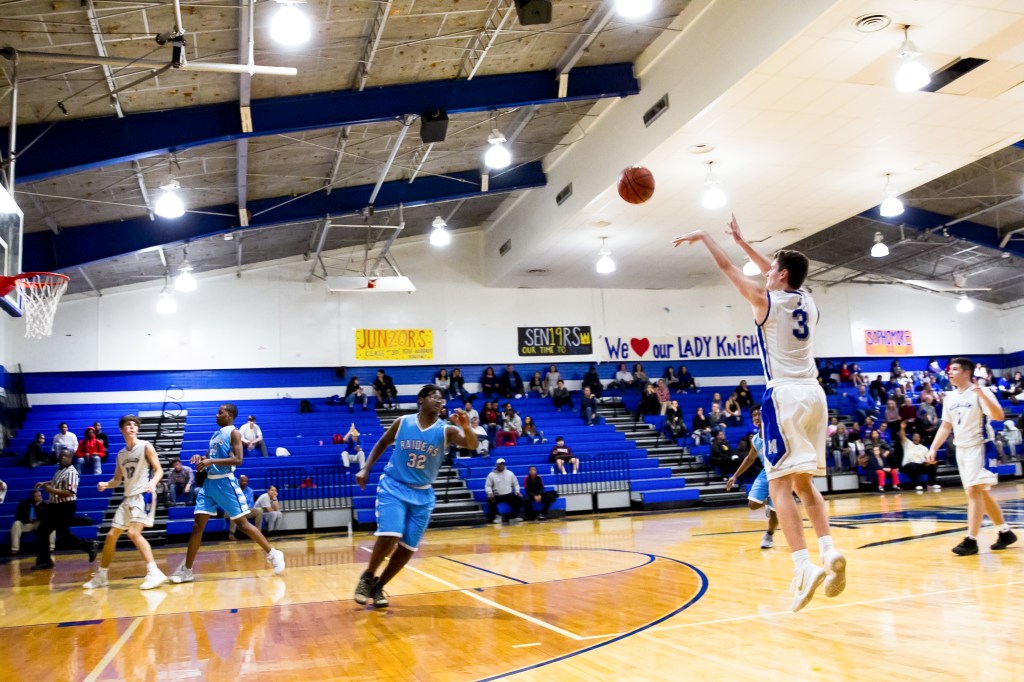
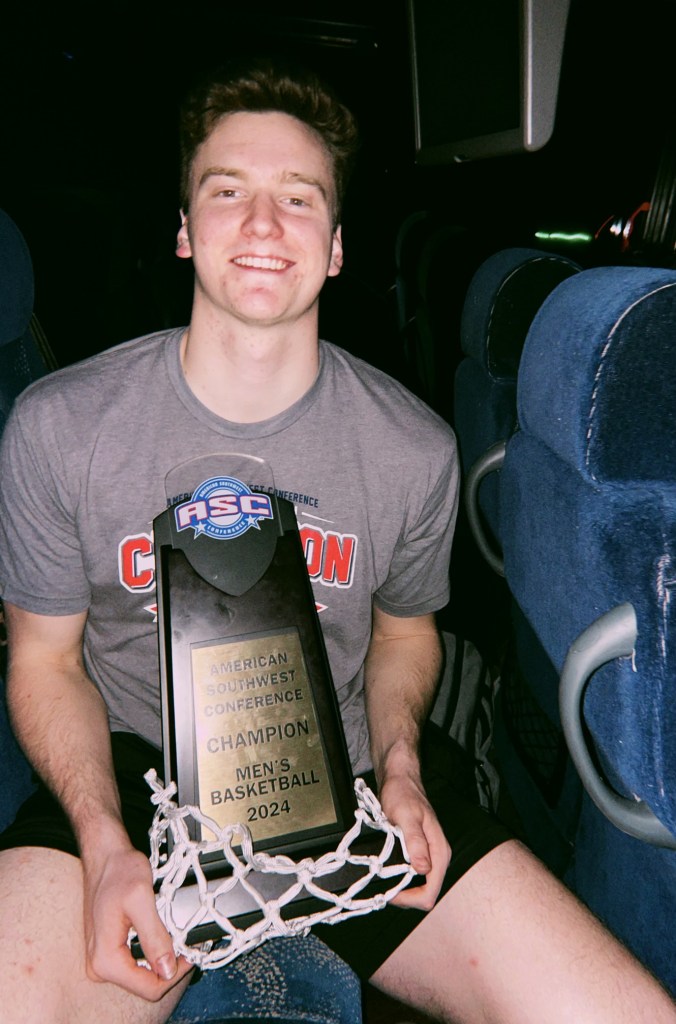
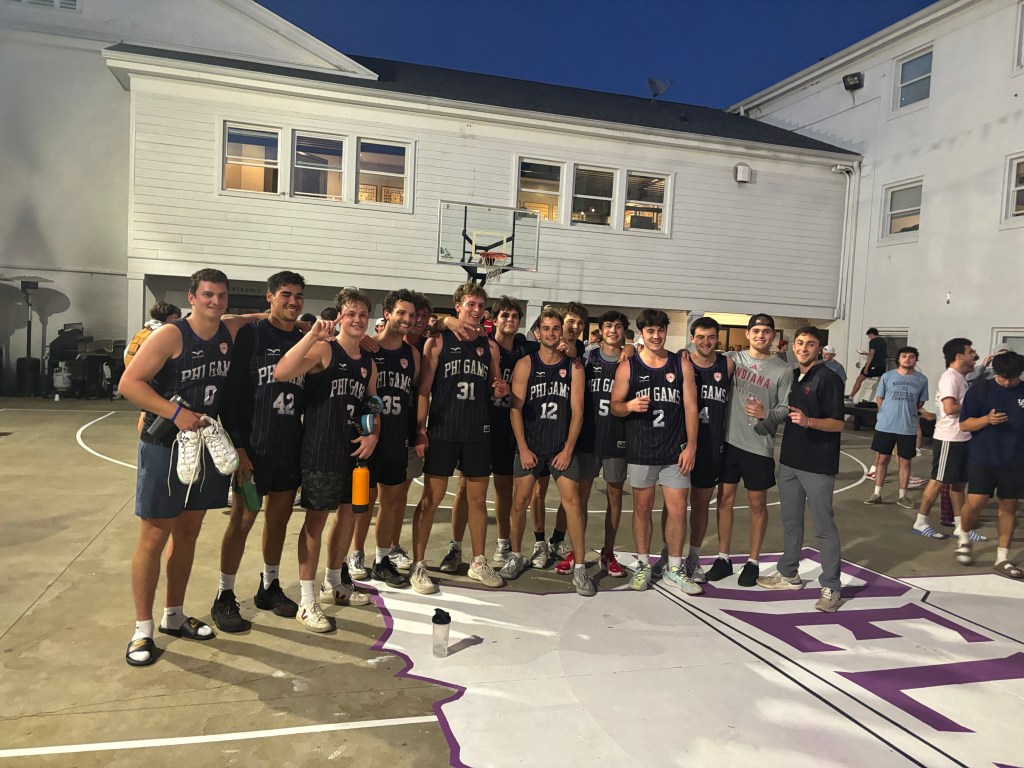
The boys were blessed with good school and select-team situations over the years, avoiding scenarios of poor coaching or selfish play. Ben was a solid three-year player for LBJ and select ball. John and Rob, also AAU ballers, helped McCallum varsity to its best finish in some years, and a playoff win. The culmination came when Rob decided to pursue the sport beyond high school, adding four strong years for UT-Dallas.
In 2020, a friend suggested I write about coaching. I realized I had material from all those years – game plans, strategic emails, organizational notes. Within a few weeks, I assembled it into an Amazon Kindle book now in its third edition. As I describe it on the back cover, it’s “the book I wish had existed when I was voluntold about coaching.”
With all three boys out of college, this winter will mark my being back to 100% spectator status for the first time in nearly 20 seasons.

Looking back over these five journal decades, from that first Christmas basketball in a freezing Indiana driveway to watching my sons develop their own relationships with the game, I’m struck with what basketball has enabled.
The sport provides a framework for effort and improvement. It offers social connection across different phases of life. For me, it has opened doors to experiences I never would have enjoyed otherwise.
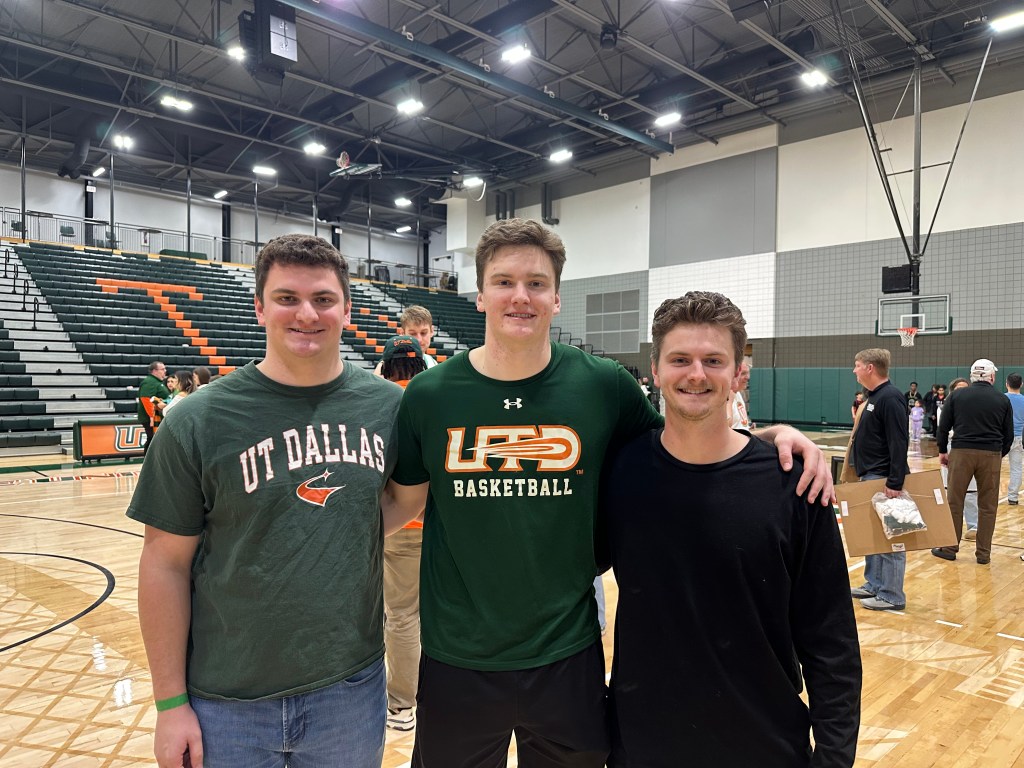
Most importantly, it gave me and Christi connection, with the boys, and beyond. Coaching them meant seeing their individual personalities emerge through competition, witnessing their growth not just as players of a game but also as teammates and leaders. And we have made great friends all around Austin and Texas, and have fun tales of NWAYBA and various teams/teammates that we still reference today.
 Stuart Wade