
 by
by There are about a quarter of a million words in the English language. Use them wisely.
Words matter. Even a single word can be important.
A kid I know got into Berkeley because his college entrance essay topic was “Tell us about yourself” and his answer was a single word: “Succinct.”
And he got in. True story.
The best messages are the simplest.
Strong verb use, present tense and active voice represent three moves you can make starting today that will immediately strengthen your writing. Practice them across every communication you produce — messages, articles, posts, client and internal communications.
Every word counts — especially in the age of 140-character communication.
The more words you throw at an idea the more bogged down it gets, the more bureaucratic.
Successful communicators intuitively pick up on this truth: It IS possible to be descriptive and get right to the point.
So, say it up front and make it interesting.
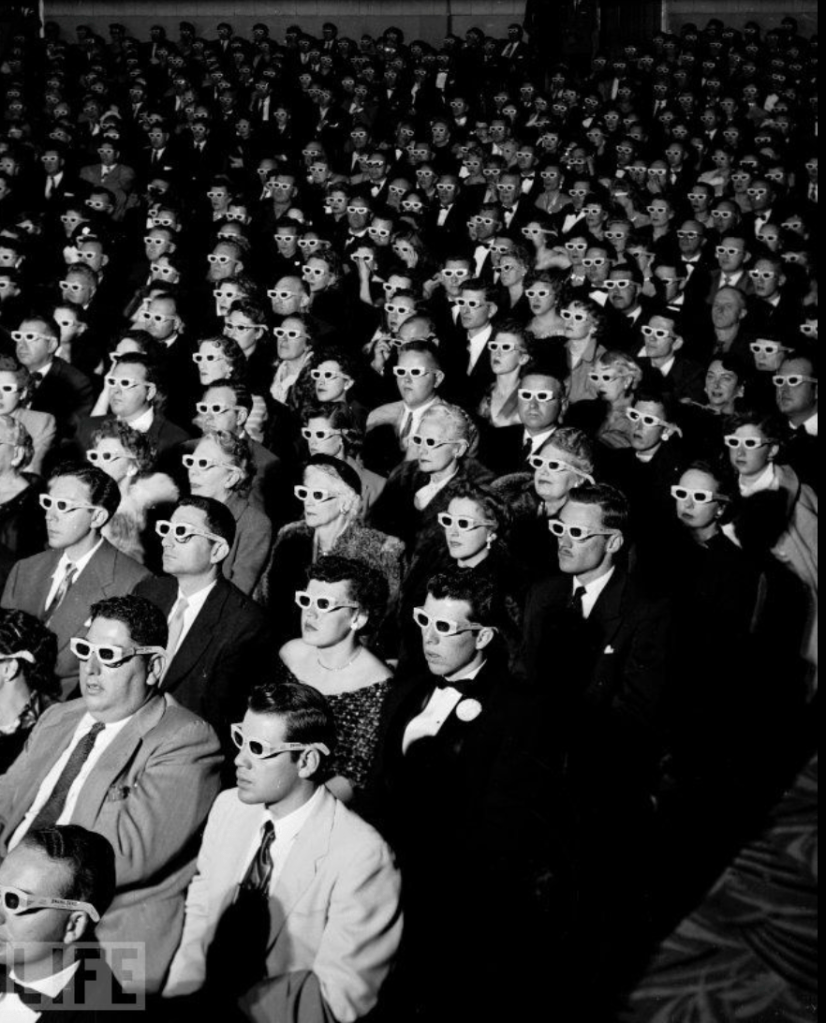
But how? One of the first rules of communication is, consider your audience… and write your material “to them.”
Who are they? Imagine a single recipient. What does she like? “How does he roll?”
Speak on the same level and in the same language as the audience. What are their hot buttons? What is the best way to transmit the message (text? Tweet?) so that it will be comprehended? Find out.
What do you want them to do? Ask for it.
That ought to help, especially against the growing threat to the written word…

Grackle brain. Who knows about grackles? They’re clumsy flyers and, dare I say, intellectually challenged collectors of brightly colored, random objects. They are the origin of “shiny object syndrome.”
Every one of us has Grackle Brain. In an in-person meeting, you have about seven seconds to make an impression. In the digital space, closer to two.
And here’s the part communicators underestimate: just because you sent the message doesn’t mean your recipient received it. Numerous studies show we retain between 10 and 30 percent of what we hear. The researchers who measured how we decode a speaker’s message found that only a fraction of comprehension comes from the actual words. Most arrives through non-verbal communication — facial expression, body language, vocal tone and pitch. And now we’re all on video calls, stripped of physical presence, reduced to thumbnail-sized rectangles. Think about what that does to attention and to every non-verbal cue we rely on.
Writers are working against steep odds. The message has to fight through all of that to land.
Resist routine.
The single most powerful countermove: resist the routine.
Work on strong first sentences — ones that could stop right there and still deliver. Formulate thoughts that cut to the heart of the matter. Resist the clichéd news lede. Under no circumstances write that lede.
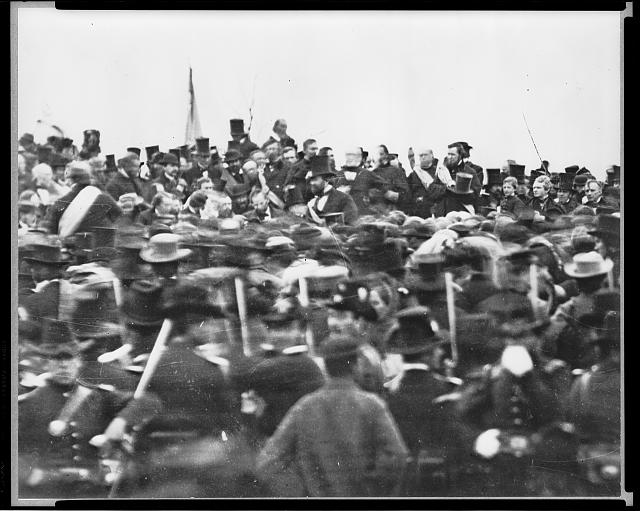
On November 19, 1863, Lincoln delivered the Gettysburg Address. Its length: 272 words. Ten sentences. It was so concise the crowd barely realized he had begun before he finished. And it remains one of the most powerful speeches in American history precisely because of that brevity — not in spite of it.
What if Lincoln had opened with “Eighty-seven years ago” instead of “Four score and seven years ago”? He would have started at the same moment in time but with completely different effect.
Let active verbs do the work.
Write with nouns and active verbs — not adjectives and adverbs. Active verbs convey emotion and immediacy more effectively than any modifier can.
Hear the large difference between “Mistakes were made,” and, “I made a mistake.” Active voice is shorter, more precise and hits harder. The passive construction diffuses responsibility. The active one owns it.
Use present tense as often as the content allows. When we encounter present tense, the brain reads it as happening now — not from the past, not as a projection. Right now. That’s where you want your reader.
Kill the jargon.
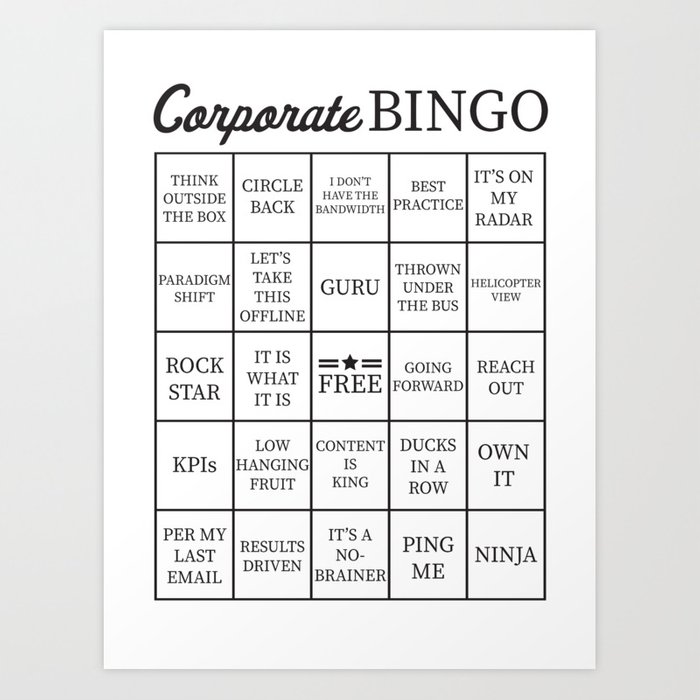
People are all wild to coin a new term and have a word of the week. Consequently, readers must sift through a migraine’s worth of buzzwords and “solution speak” to retain a college reading level.
Don’t do this and please fight the good fight with clients who want to include jargon, hype or cliché.
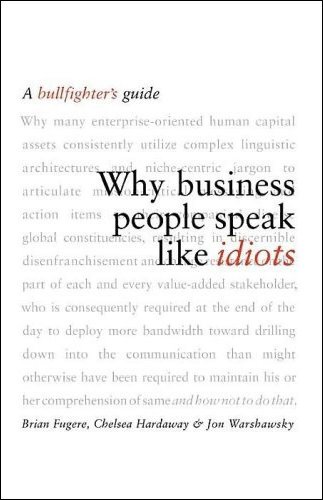
The answer to making a message effective is to clear it of clutter. Clear thought leads to clear writing. Clear writing begins with organization, moves through active voice and arrives at concise, vivid detail and a clean conclusion.
Tell stories.
So, how do we connect, defy convention, cut through the psychobabble and nattering formulaic crap out there?
Most business communicators live in PowerPoint, and PowerPoint isn’t going anywhere. It has legitimate uses. But it relies on inductive logic — one point, then another point, then another, converging eventually toward a “therefore.” That structure works for a legal brief. It doesn’t work for an audience you’re trying to move.
Story bypasses that approach. Story tells of darkening skies. Forces of antagonism working against you. A storm gathering. Now your listener is the protagonist of a compelling narrative. What happens next? They lean forward.
Go to story, not to data. Story leads. Data is a backup singer.
People relate to plot, circumstance, transformation and growth. They don’t relate to metrics. Metrics can support the story, but they can’t replace it. Earn the data. Let the narrative carry it.
Connect, or lose
Always consider your audience and write toward them — toward a single recipient, not a crowd. Who is she? What does he care about? What language does she actually use? What’s the best channel to reach them, and what will make them act?
Ask for the action. If you want someone to do something, say so. Don’t assume the logic will carry them there.
It all comes down to this: smart messages, transmitted in context, for distracted mobile audiences who have every reason not to pay attention.
Resist the routine. Write in active voice. Use the present tense. Kill the jargon. Tell stories. Make it about them.
There are about a quarter of a million words in the English language. Use them wisely.

 Stuart Wade