
 by
by *Before the Internet
“People and places were websites.”
That thought wouldn’t have made any sense in 1979, standing in the showroom of my local hi-fi audio retailer with saved-up money for my first stereo system. But it’s the best way to describe the information architecture of the world I grew up in.
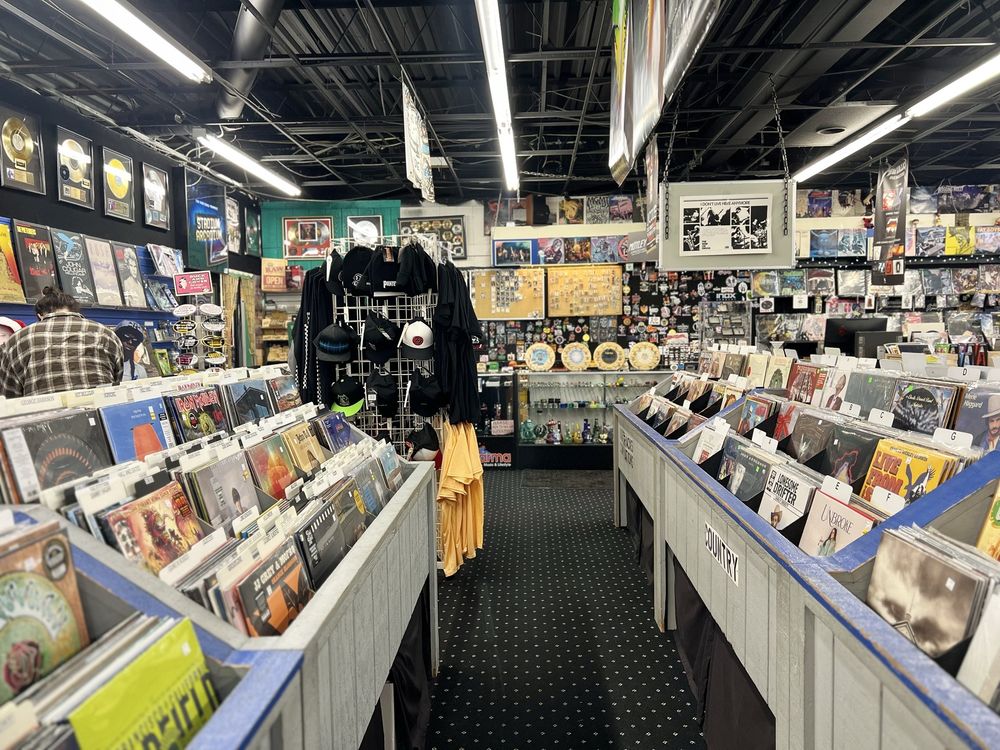
The record store clerk who silently judged your purchases at the register, he was a database, and you were a search query. The friend whose stoner older brother owned every album was an algorithm, the source of the obscure material (album cuts) you’d have never been able to sample otherwise. The shop where you first spotted The Sporting News, a recommendation engine on a physical street.
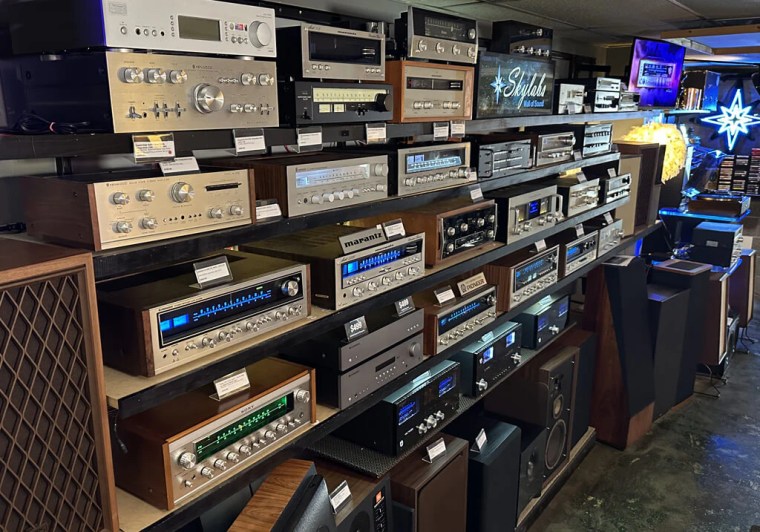
You would stumble upon something new — a movie, band or author – decide whose opinion to trust about the new thing, and then soak up knowledge from people who knew more than you and spend time around guys who cared about these things.
It’s just that the Internet relocated every one of these functions from a storefront to a screen.
Getting music meant you had to go somewhere, know somebody and spend money. Making the effort was included in the experience.
The series opens with buying an album and moves through magazines, late night television, Saturday Night Live, FM radio and the arrival of cable TV — the major media experiences of coming of age in that era.
Each entry covers one EME and asks the same two questions. What made this experience excellent, and what have we gained or lost?
Spotify now hands you nearly every recorded song. Streaming gives you an entire TV series on a Tuesday afternoon without leaving the basement. The Internet delivers miracles, and I’m not here to argue that’s somehow a bad thing. But the trade-offs are worth discussion.
The universal experience of watching the same three channels and talking about it with your buddies the next day, has been replaced by a fragmented universe of personalized feeds that reflect what we already believe. The moment of hearing something new on the radio, something you couldn’t have predicted or programmed, has become rare.
Back then, information arrived in intervals — a newspaper each morning, the evening news at 5:30, weekly magazines on Tuesdays — and editors reviewed everything before readers/viewers saw it. Now individuals publish constantly to screens that travel with you, the content follows rather than waits, and the editorial layer that once slowed everything down (and in doing so, improved it) has largely disappeared.
I do miss those days, not because the past was somehow better, but because that era of excellent media made you work harder for what you could find. Knowledge of esoteric bands, possession of cult classic movies on video, subscribing to niche magazines all added up to something that now seems quaint since it’s out there now, for all.
What follows looks back to what those experiences actually brought, before we forget what they were. The entries follow. Read them in order or start anywhere:
- Part I: Buying an album
- Part II: Magazines
- Part III: Late night TV
- Part IV: The B-sides
- Part V: Saturday Night Live
- Part VI: FM radio
- Part VII: The arrival of cable
- Part VIII: The early web
- Part IX: When critics ruled
- Stereo Town [aka Part 0]
 Stuart Wade
3 Comments