
 by
by Before streaming, culture cost time and effort. This series looks at what made those experiences great and what’s great about now.
People and places were websites.
That thought wouldn’t have made any sense in 1979, standing in the showroom of my local hi-fi audio retailer with saved-up money for my first stereo system. But it’s the best way to describe the information architecture of the world I grew up in.
The record store clerk who judged your purchases was a database. You were the search query. The friend whose stoner older brother owned every album was an algorithm, your only source for the obscure album tracks you’d never hear otherwise. The newsstand where you first spotted The Sporting News was a recommendation engine on a physical street.
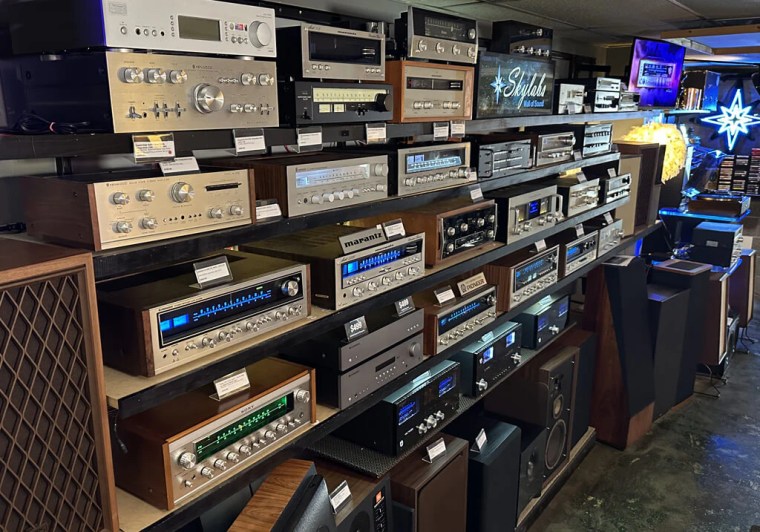
You would stumble upon something new, like a movie, a band or an author. You’d decide whose opinion to trust about the new thing, and then soak up knowledge from people who knew more than you.
Then the Internet moved every one of these experiences from a storefront to a screen.
Getting music meant you had to go somewhere, know somebody and spend money. Making the effort was included in the experience. That’s what this series is about: what I’m calling Excellent Media Experiences, or EMEs.
An EME passed through an editor, a DJ, a clerk, some gatekeeper who came between you and the experience you sought. And it cost you. Either you coughed up $7.99 at the register, drove somewhere to get it or spent part of a week waiting for the record store to restock.
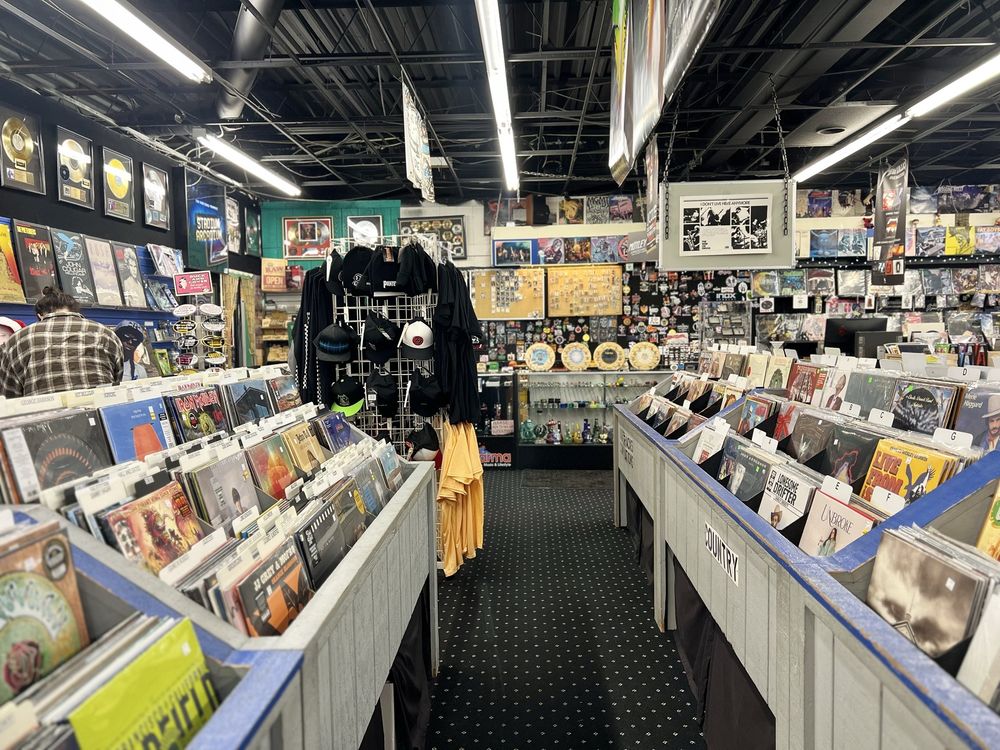
I saw this machinery from both sides. I bought the albums and read the magazines. Then I worked in PR in Chicago and sold my writing to publications like Spy and The Onion.
Each entry covers one EME and asks two questions. What made this experience excellent? And what have we gained or lost? The series runs from buying an album through magazines, late-night TV, Saturday Night Live, FM radio and cable to the early web and the age of the critic.
Spotify now hands you nearly every recorded song. Streaming serves an entire TV series in a single afternoon without your having to leave the basement. The access is truly amazing, yet so was the thrill of the hunt for that obscure LP. The Internet delivers miracles but it also took things away that we didn’t notice leaving.
We once watched the same three channels and talked about them with our buddies the next day. Now the menu never ends, and the next-day talk happens in group texts. The moment of hearing something new on the radio, something you couldn’t have predicted or programmed, has grown rare. Then again, a streaming service will introduce you right now to a guitar band from Mali that no DJ would have played in Indiana back then.
Information used to arrive on a schedule. The paper came each morning, the evening news at 5:30 and the newsmagazines on Tuesdays. Now everyone publishes all the time to screens that travel with you. Content follows you instead of waiting for you.
That slower pace made you work for what you found. An import single could take three trips to the store and a week of waiting. But once you had it, you were the guy with the import. Same for the friend who taped Eraserhead off late-night TV, or the kid whose mailbox got National Lampoon. Now you can find all three in about ten seconds.
This series looks back fondly at what those experiences gave us, before we forget them. Some of it is gone for good. Some of it we can still choose, if we’re willing to put in time and effort.
Read the entries in order or start anywhere:
- Part I: Buying an album
- Part II: Magazines
- Part III: Late night TV
- Part IV: The B-sides
- Part V: Saturday Night Live
- Part VI: FM radio
- Part VII: The arrival of cable
- Part VIII: The early web
- Part IX: When critics ruled
- Stereo Town [aka Part 0]


3 Comments